
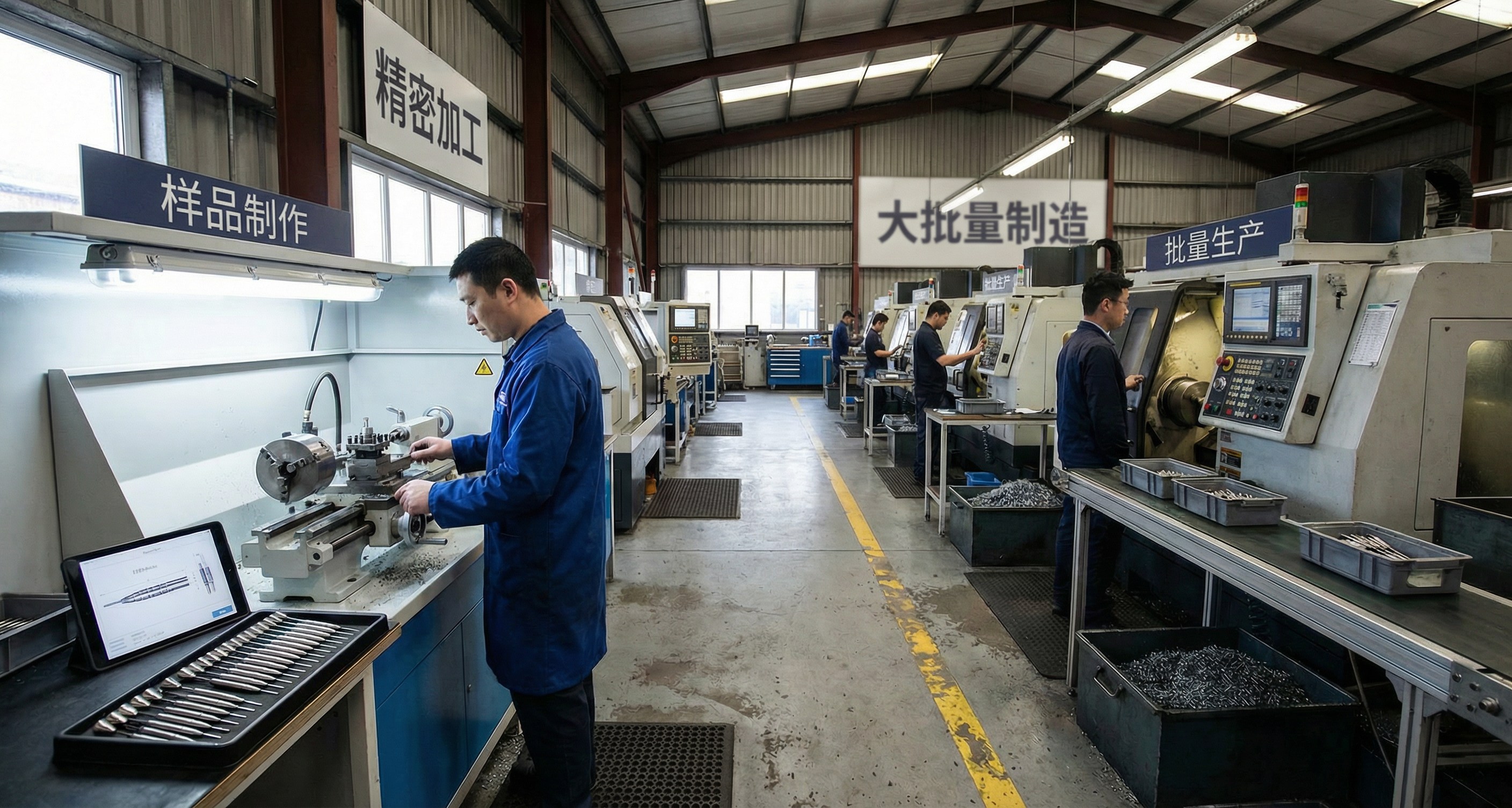
The Hidden Truth: Most Samples Are Not Produced Under Real Production Conditions
In many low-level factories, samples are treated as special projects.
Common sample practices include:
-
Using the most experienced technicians
-
Running machines slowly and carefully
-
Manually adjusting dimensions after machining
-
Selecting only the best barrels for shipment
While this creates a beautiful sample, it does not represent real production reality.
Mass production involves:
-
Long machine runs
-
Tool wear over time
-
Multiple operators
-
Higher speed output
If the factory does not have strong systems, quality will naturally drift.
Material Switching: The Problem Buyers Rarely See
One of the most common causes of quality gaps is material inconsistency.
Some factories:
-
Use premium tungsten alloy batches for samples
-
Switch to cheaper or mixed batches for bulk orders
Even small density changes in tungsten affect:
-
Total weight feel
-
Balance point
-
Machining behavior
This is why bulk darts may:
-
Feel lighter or heavier
-
Fly differently
-
Have inconsistent grip sharpness
Professional dart manufacturers lock material suppliers and batch records so sample and bulk production use the same verified materials.
CNC Machining Drift During Long Production Runs
Another major issue occurs during extended machining.
In small sample runs:
-
Tools are new
-
Heat buildup is minimal
-
Wear is negligible
In mass production:
-
Cutting tools gradually wear
-
Micro-dimensions change
-
Grip depth becomes inconsistent
If a factory does not:
-
Monitor tool wear
-
Recalibrate during shifts
-
Compare weight continuously
Small errors accumulate quickly.
Professional factories set:
-
Scheduled recalibration intervals
-
Mid-batch inspection checkpoints
-
Automatic correction thresholds
This keeps production aligned with sample quality.
Operator Variation: When Drawings Aren’t Enough
Many factories assume that a technical drawing guarantees consistency.
In reality:
-
Different operators interpret tolerances differently
-
Polishing pressure varies by person
-
Finishing time changes surface feel
Without standardized procedures, human variation becomes a major risk factor.
Professional dart manufacturers reduce this by:
-
Creating step-by-step process documents
-
Using reference samples as physical standards
-
Training operators on measurable quality targets
This converts craftsmanship into repeatable production.
The Illusion of Final Inspection
Some factories rely heavily on final inspection to “catch problems.”
However:
-
Inspection can reject defects
-
It cannot fix systemic drift
If 20% of production becomes inconsistent, inspection only increases waste—it does not prevent the root cause.
High-level manufacturers use preventive quality systems, including:
-
In-process inspections
-
Real-time data comparison
-
Immediate corrective action
This keeps production aligned continuously.
How Professional Dart Manufacturers Eliminate the Sample-to-Bulk Gap
Reorder-ready manufacturers build production systems where:
✅ Samples are produced on real production machines
✅ Same material batches are used for sample and bulk
✅ CNC programs are locked and archived
✅ Tool wear is tracked and corrected
✅ Weight and grip feel are monitored mid-production
✅ QC data is compared across batches
Instead of treating samples as special items, they treat them as the first real production batch.
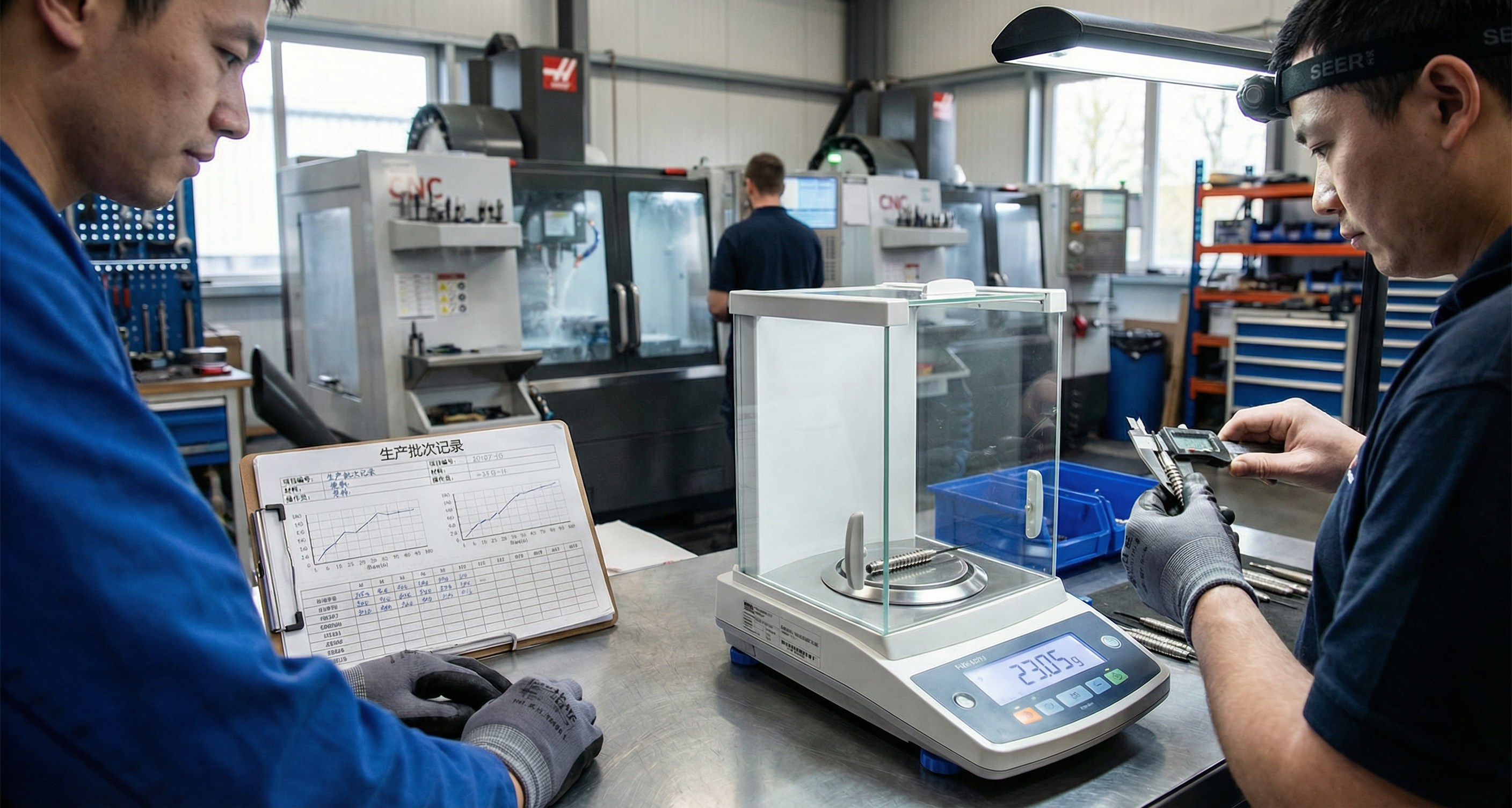
Business Consequences When the Gap Is Not Controlled
When sample and bulk quality differ, brands face:
-
Increased return rates
-
Negative product reviews
-
Loss of ranking on Amazon
-
Customer trust erosion
-
Forced product redesign
These costs are far higher than investing in a reliable manufacturing partner.
How Buyers Can Protect Themselves
Before placing bulk orders, buyers should ask:
-
Were samples produced using the same machines as bulk production?
-
Were the same material batches used?
-
Is CNC program data archived?
-
Are mid-production inspections performed?
-
Can the factory show historical batch QC records?
Factories that can answer clearly usually have systems in place.
Conclusion
The gap between sample quality and mass production is not a mystery.
It is a predictable result of weak manufacturing systems.
Professional dart manufacturers eliminate this gap by:
-
Treating samples as production reality
-
Building process discipline
-
Using preventive QC instead of reactive inspection
For brands focused on long-term success, choosing a factory with strong systems is far more important than approving a beautiful first sample.
FAQs
1. Is it normal for bulk orders to differ from samples?
No. Differences usually indicate weak production systems rather than unavoidable variation.
2. How can I ensure samples truly represent mass production?
Ask that samples be produced under normal production conditions with full QC processes applied.
3. Why do some factories intentionally treat samples differently?
To secure orders, especially when they lack consistent production capability.
4. Can third-party QC prevent this issue?
It can catch defects, but cannot fix systemic production drift.
5. What is the most reliable indicator of consistency?
Historical batch data and documented production systems.

