
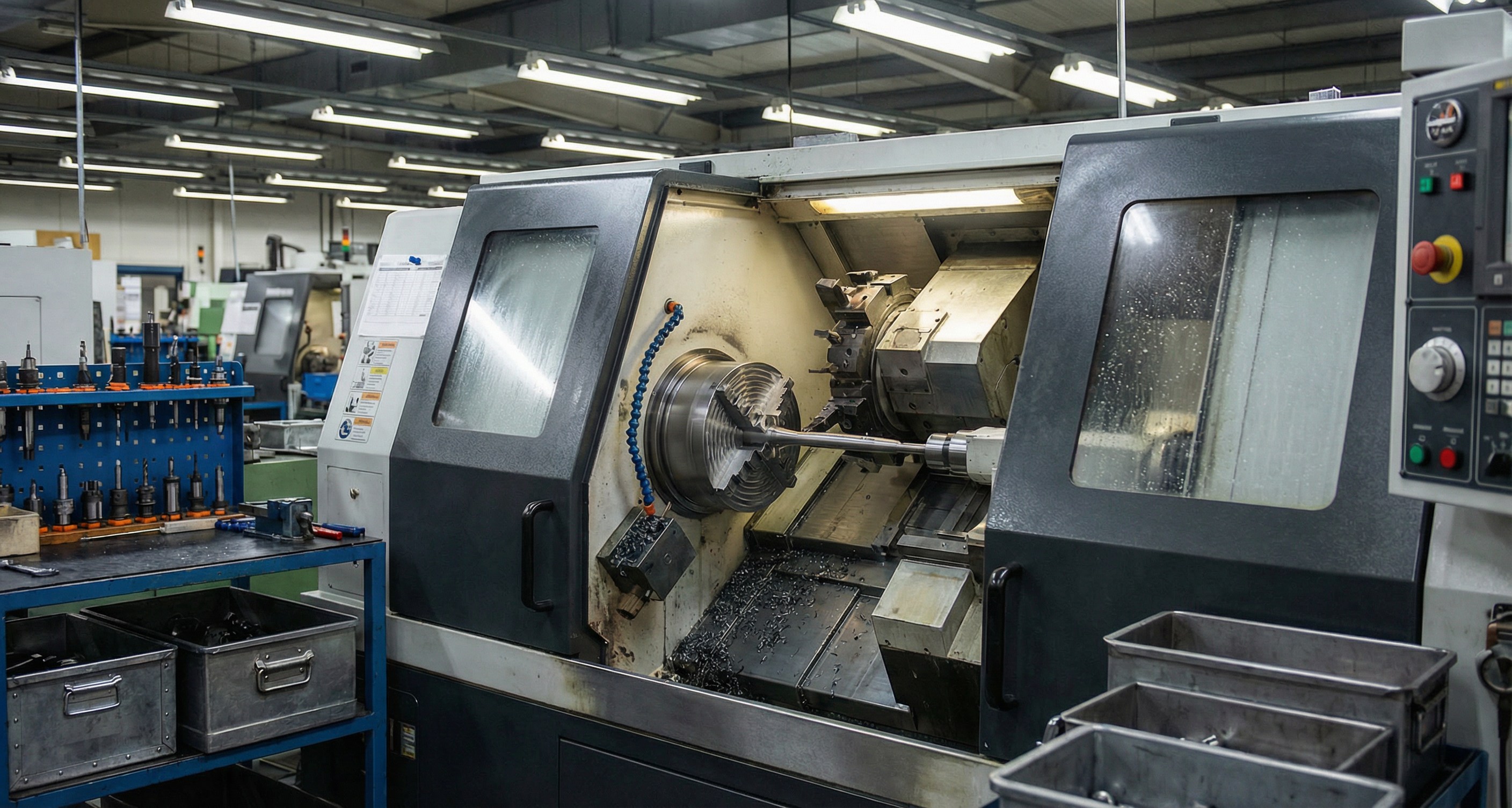
1. Grip Styles: What Players Feel vs What Factories Control
From a player’s point of view, grip is described emotionally:
-
“Too slippery”
-
“Too sharp”
-
“Feels secure but releases cleanly”
From a manufacturing point of view, grip is defined by:
-
Groove depth
-
Groove spacing
-
Edge sharpness
-
Surface finish after coating
Common Grip Styles and Their Functional Differences
Ring Grip
-
Even spacing, predictable feel
-
Popular with beginners and intermediates
-
Easier to reproduce consistently at scale
Shark Grip
-
Aggressive edges for strong finger lock
-
Preferred by players with firm throws
-
Higher risk of inconsistency if tool wear is not controlled
Micro Grip
-
Fine texture rather than deep cuts
-
Relies heavily on CNC precision
-
Sensitive to polishing and coating thickness
Combination Grip
-
Mixed zones for thumb vs finger placement
-
Offers differentiation without changing weight class
-
Requires more documentation to reproduce reliably
👉 Manufacturing translation:
The more aggressive or complex the grip, the more critical CNC calibration, tool-life tracking, and post-finishing control become.
2. Grip Depth and Sharpness: Why “More Grip” Is Not Always Better
A common misconception is that deeper grip equals better control.
In practice:
-
Too shallow → slipping during release
-
Too sharp → finger drag, disrupted release timing
-
Inconsistent depth → different feel between darts in the same set
Professional dart manufacturers define:
-
Maximum and minimum grip depth ranges
-
Acceptable edge sharpness thresholds
-
Post-coating grip feel standards
These parameters are rarely visible in drawings—but they are essential for repeatability.
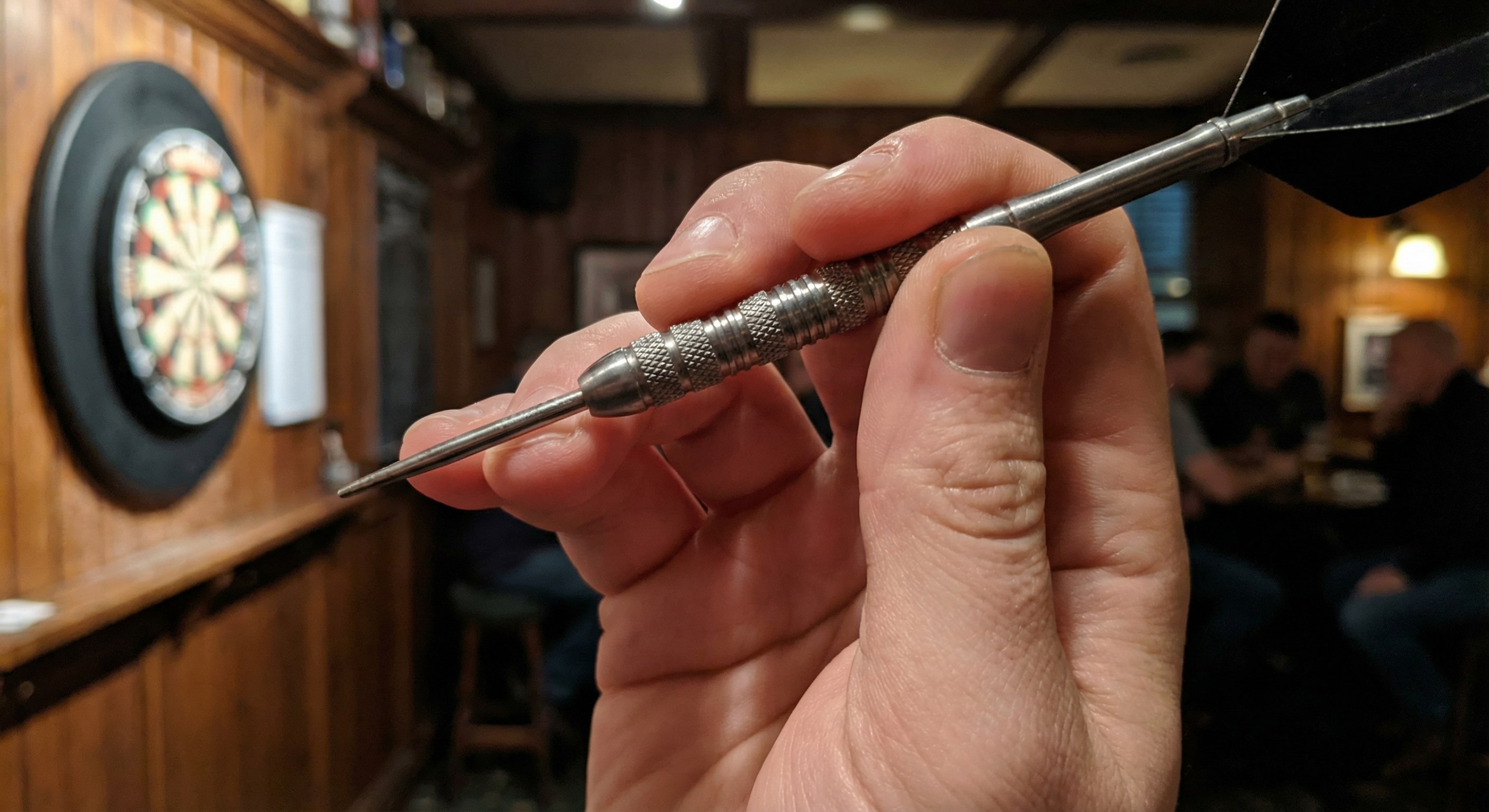
3. Balance Point: The Invisible Variable That Changes Everything
Two dart barrels can weigh exactly the same and still feel completely different.
This difference usually comes from balance.
Common Balance Profiles
-
Front-weighted:
Favored by players who push the dart forward aggressively -
Center-balanced:
Neutral feel, widely accepted across skill levels -
Rear-weighted:
Preferred by players who grip closer to the shaft
How Manufacturers Adjust Balance Without Changing Weight
Professional factories adjust balance through:
-
Internal drilling depth
-
Wall thickness distribution
-
Subtle geometry changes
These adjustments must be documented.
Otherwise, balance shifts silently between batches—even when total weight stays within tolerance.
4. Translating Player Feedback into Manufacturable Design
Players rarely speak in engineering terms.
They say things like:
-
“It releases too late”
-
“Feels heavier than my old darts”
-
“I lose control after long sessions”
Experienced OEM dart manufacturers translate this into:
-
Grip zone repositioning
-
Balance point adjustment
-
Surface finish changes
Poor factories copy competitor designs visually.
Professional factories decode feedback and redesign structurally.
5. Manufacturing Constraints Brands Must Respect
Not every creative design can survive mass production.
High-risk designs include:
-
Extremely sharp micro-grips
-
Very thin barrel sections
-
Highly complex mixed patterns
Professional manufacturers advise brands when:
-
A design risks batch inconsistency
-
A grip will wear too fast
-
A feature cannot be reproduced reliably at volume
This is not resistance—it is risk management.
6. Custom Barrels and Long-Term Reorders
The true success of a custom dart barrel is not launch-day feedback.
It is whether the product can be reordered six months or one year later without redesign.
Reorder-ready barrel designs:
-
Stay within stable machining limits
-
Avoid extreme tolerances
-
Balance differentiation with manufacturability
This is how brands build SKUs that last multiple seasons.
Conclusion
Custom dart barrels are not just about standing out.
They are about creating a repeatable, reliable playing experience.
When grip style, balance, and manufacturing reality are aligned, brands gain:
-
Lower return rates
-
Stronger player loyalty
-
Easier reorders
-
Healthier long-term margins
The best dart barrels are not the most aggressive—they are the most sustainable.
FAQs
1. Can any grip design be mass-produced consistently?
No. Some aggressive or complex grips are difficult to reproduce reliably at scale and may cause batch inconsistency.
2. How do manufacturers test grip feel objectively?
Through defined depth ranges, reference samples, and post-finishing inspections—not by appearance alone.
3. Can balance be changed without changing dart weight?
Yes. Internal geometry and material distribution allow balance tuning while keeping total weight constant.
4. Why do custom barrels sometimes feel different in reorders?
Usually due to missing documentation of CNC programs, tool wear, or internal balance parameters.
5. Should brands design barrels for professionals or average players?
Most successful products target core players first, then expand—rather than designing only for elite preferences.

