
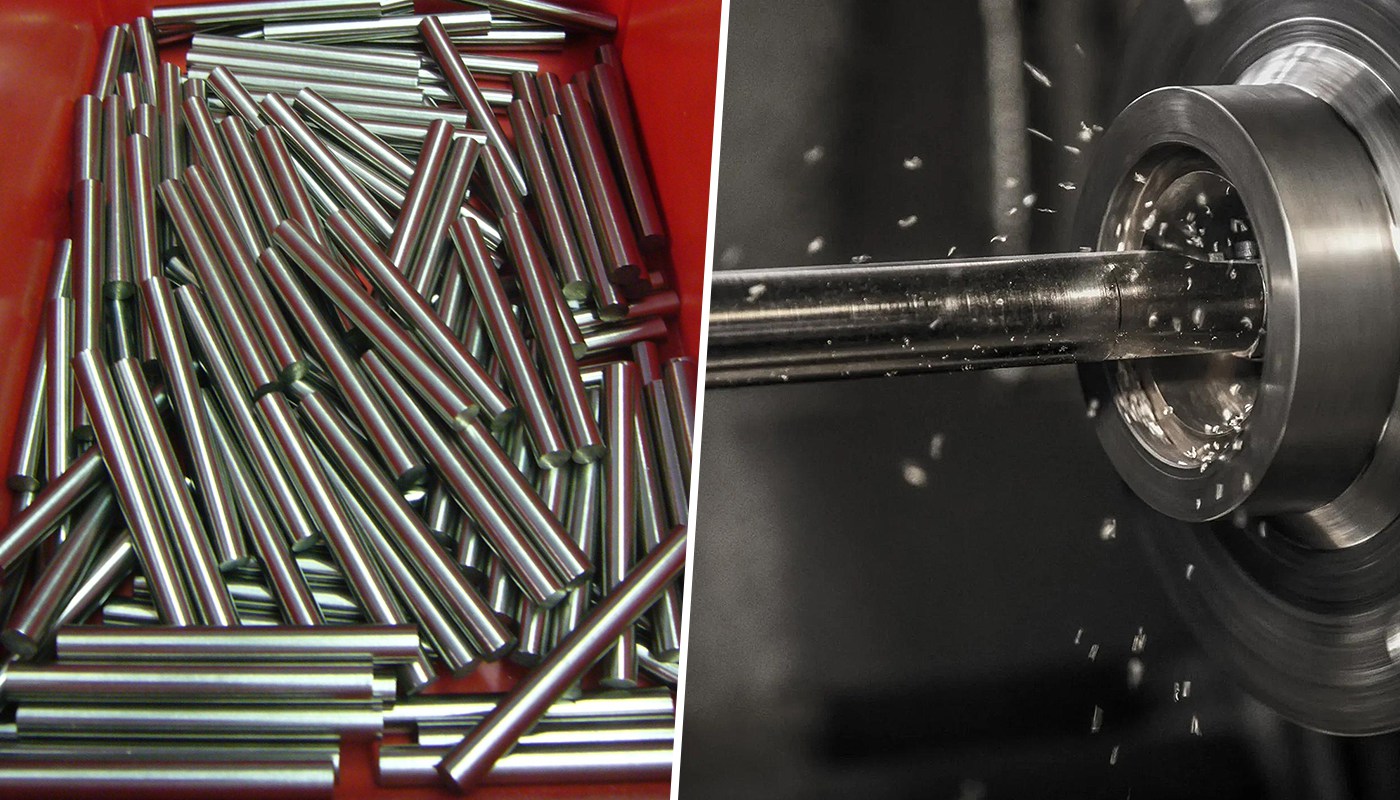
1. Raw Material Control: Where Quality Really Begins
In dart manufacturing, material stability directly affects:
-
Weight consistency
-
Balance performance
-
Machining accuracy
Professional factories:
-
Purchase tungsten alloy from fixed, audited suppliers
-
Verify density consistency using batch testing
-
Store materials separately by batch code
Low-end factories often mix materials from different suppliers to reduce cost, which leads to internal density differences and inconsistent performance even when designs are identical.
This is one reason why two darts that look the same can feel completely different in hand.
2. CNC Machining: Translating Design into Performance
CNC machining is not simply “cutting metal.”
It is the most technically demanding stage in dart production.
A professional dart manufacturer controls:
-
Grip depth tolerance
-
Barrel diameter tolerance
-
Center-of-gravity accuracy
-
Tool wear compensation
For example:
If a shark-grip pattern becomes 0.02mm shallower after tool wear, the grip feeling changes.
Experienced factories document tool life and adjust programs proactively.
Each SKU normally includes:
-
A locked CNC program version
-
Approved sample record
-
Historical production notes
This allows reorders months later to match previous production instead of relying on operator memory.
3. Surface Treatment: More Than Visual Appearance
Surface finishing affects both:
-
Aesthetics (important for brand identity)
-
Functional grip feeling
Common processes include:
-
Polishing for smooth release
-
Sandblasting for matte texture
-
PVD coating (black, gold, rainbow)
-
Titanium coating for durability
Low-level factories treat this as cosmetic only.
Professional dart manufacturers test grip feel after finishing because coatings can slightly alter surface friction.
This is especially critical for brands selling to advanced players.
4. Assembly: Where Many Factories Lose Consistency
Assembly may look simple, but it directly affects:
-
Set balance consistency
-
Customer perception of quality
-
Return rates
Professional assembly includes:
-
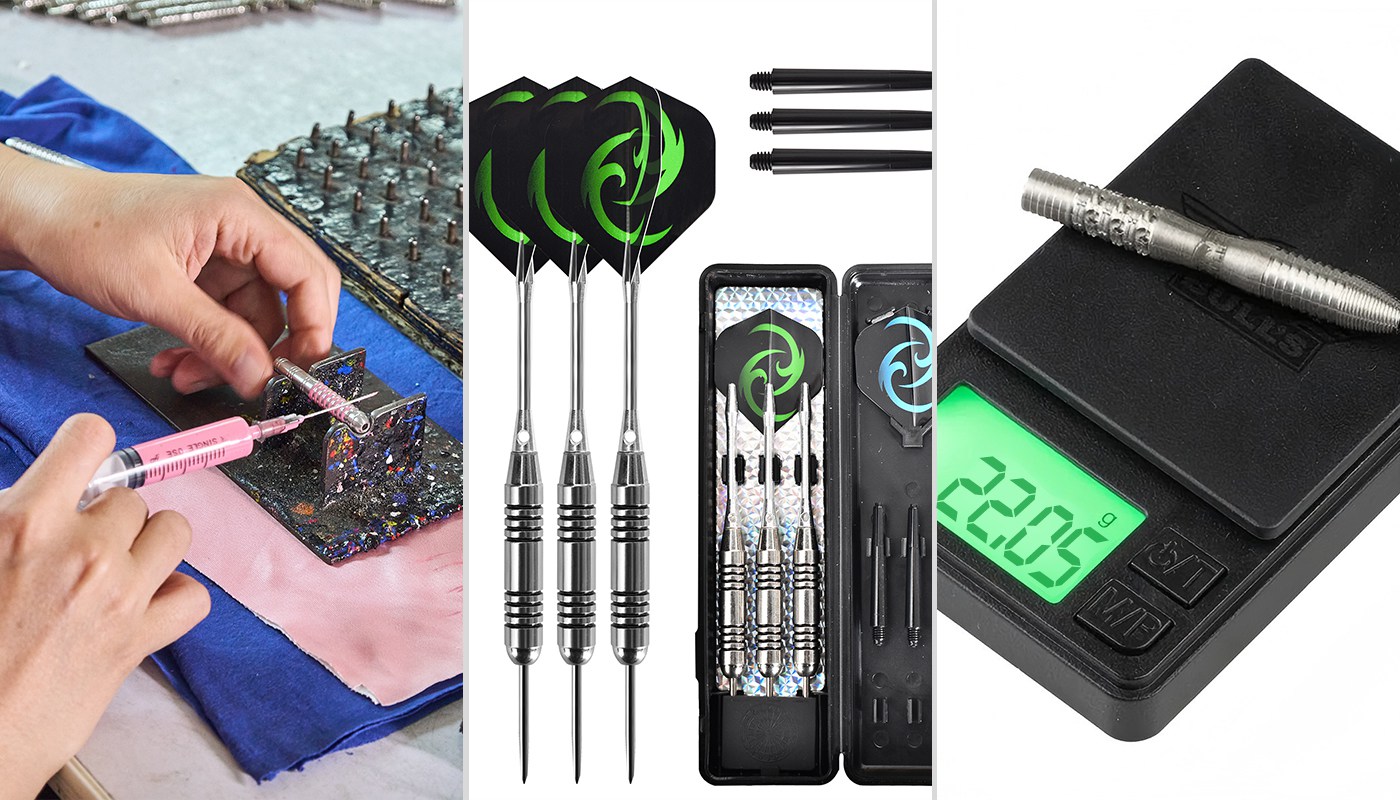
Matching three darts by weight
-
Ensuring shaft threading consistency
-
Flight insertion testing
-
Visual alignment checks
In contrast, cheap factories often:
-
Randomly combine barrels
-
Skip matching
-
Ignore minor deviations
This results in sets that technically meet weight tolerance individually but feel inconsistent as a group.
5. 100% Inspection: System vs Appearance
High-level OEM factories use:
-
Individual digital weighing
-
Surface defect inspection
-
Coating adhesion checks
-
Packaging inspection
Inspection is documented, not just performed.
This creates accountability and traceability for long-term clients.
Factories without documentation rely on luck.
Factories with documentation rely on systems.
Conclusion
A real dart OEM factory does not rely on sales talk.
It relies on process control, documentation, and repeatability.
Buyers who understand the full production flow can easily distinguish true manufacturers from surface-level suppliers.
FAQs
1. How can I verify if a supplier is a real dart factory?
Ask for production photos, process explanation, QC records, and whether they control CNC in-house.
2. Why do samples often look better than bulk production?
Because some factories hand-optimize samples instead of using repeatable systems.
3. Is CNC machining enough to guarantee quality?
No. CNC must be supported by material control, inspection, and documentation.
4. What is the most critical stage in dart production?
Material selection and CNC machining together determine most performance outcomes.
5. Can small factories also produce high quality?
Yes, but only if they have strong systems. Size is less important than discipline.

