
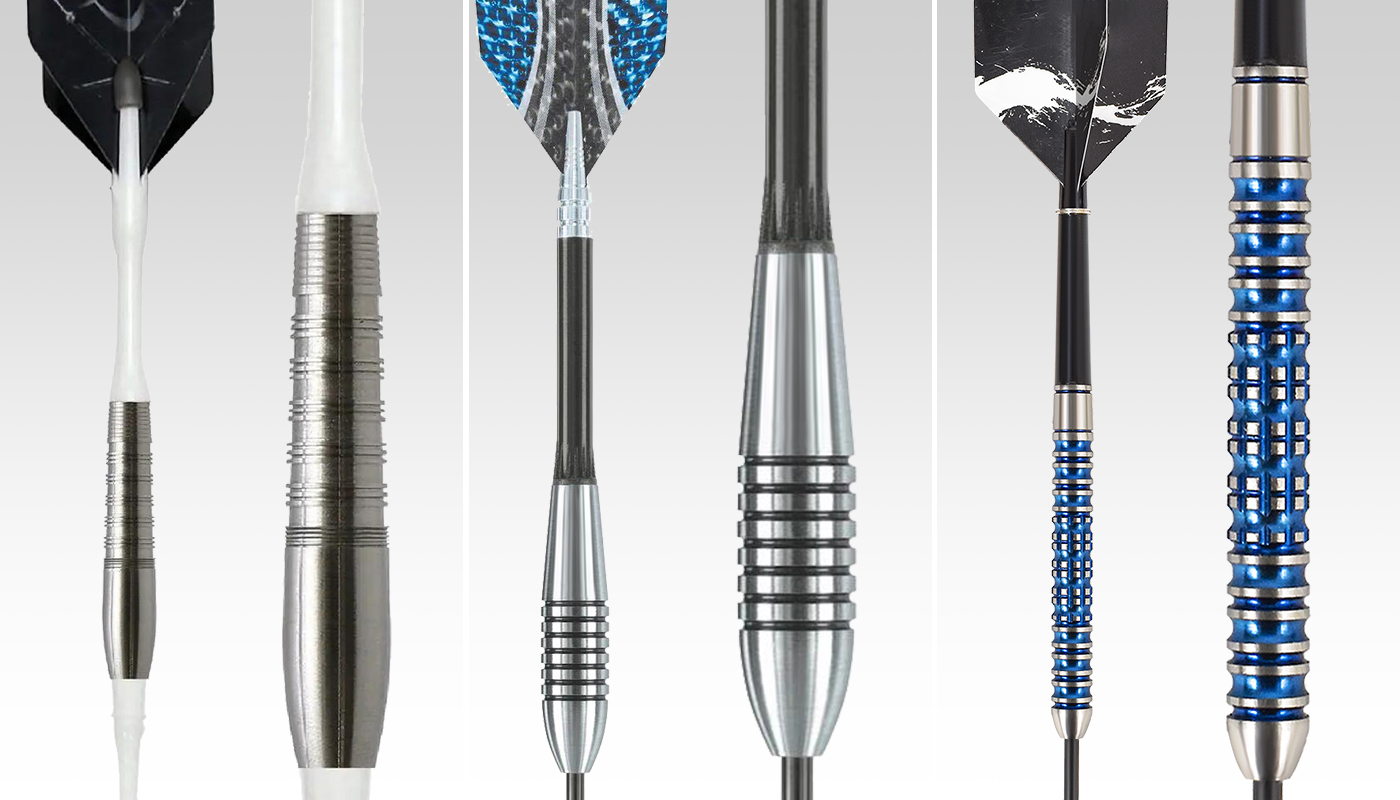
Why Tungsten Is Used in Darts
Tungsten offers:
-
Extremely high density
-
Slim barrel profiles
-
Better grouping performance
Higher density allows thinner darts at the same weight, preferred by advanced players.
Common Tungsten Grades Explained
Typical grades include:
-
80% tungsten: thicker, more affordable
-
85–90% tungsten: balanced performance and cost
-
90%+ tungsten: slim profile, higher precision
Higher tungsten content does not automatically mean better performance—it must match player preference.
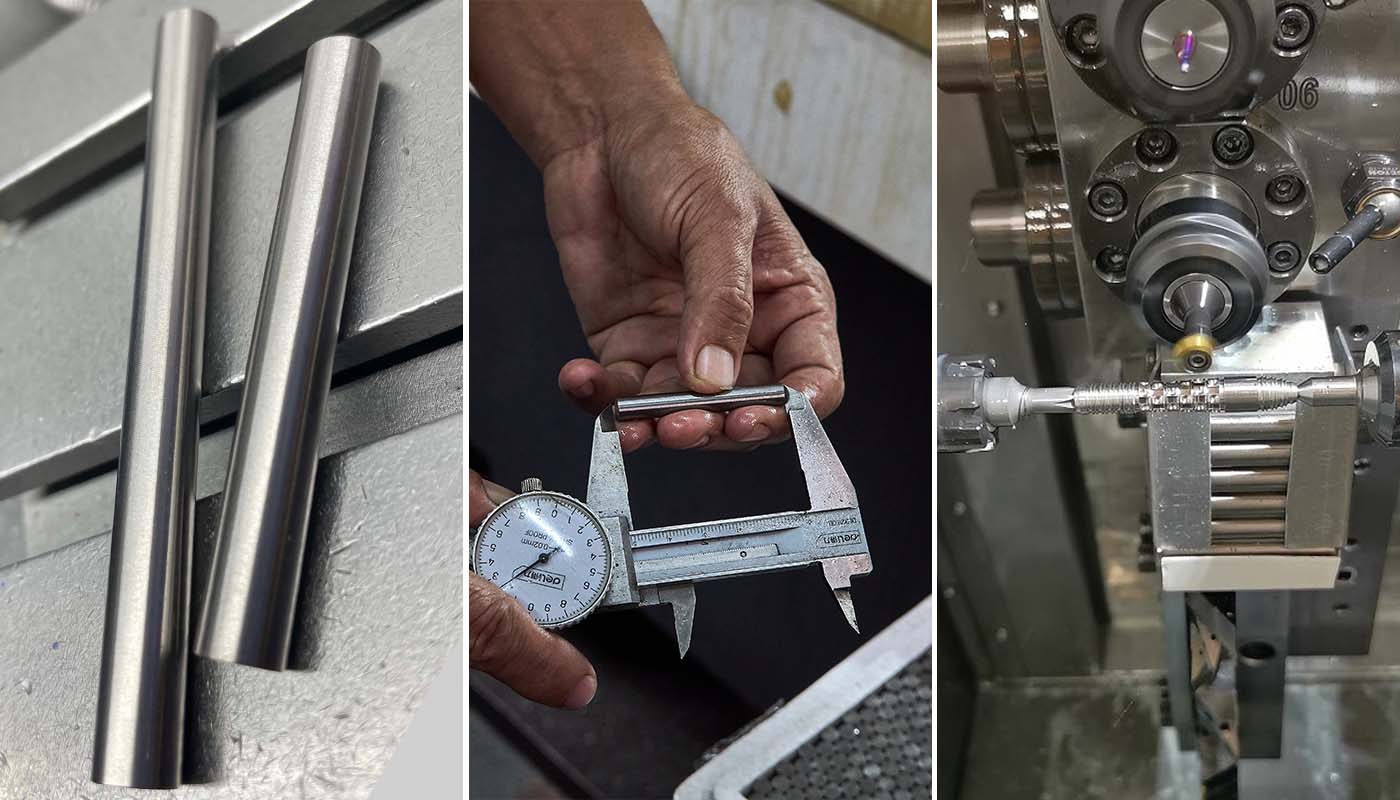
How Material Affects Manufacturing
Higher tungsten content:
-
Increases CNC machining difficulty
-
Requires tighter tool control
-
Raises production cost
Professional manufacturers adjust machining strategies based on tungsten percentage.
Choosing the Right Grade for Your Market
-
Beginners: durability and price matter more
-
Advanced players: balance and feel matter most
-
Professional level: consistency outweighs everything
Successful brands align tungsten grade with target users, not trends.
Conclusion
Tungsten grade is a design decision—not a marketing shortcut.
Understanding material differences helps brands build products that actually perform.
FAQ
Q1: What tungsten percentage is best for professional darts?
Most professional-level darts use 85–95% tungsten, but the “best” percentage depends on balance, grip, and player preference—not just density.
Q2: Are higher tungsten darts always thinner?
Generally yes, but barrel design and grip machining also affect thickness. Tungsten percentage alone does not define profile size.
Q3: Do higher tungsten darts last longer?
They are more resistant to deformation, but surface finish and machining quality also play major roles in durability.
Q4: Why are high-tungsten darts more expensive to manufacture?
They require slower CNC machining, tighter tool control, and higher inspection standards, increasing production cost.
Q5: Should brands offer multiple tungsten grades?
Yes. Offering different grades allows brands to target beginners, intermediate players, and professionals without forcing one solution.

