
Why Weight Tolerance Matters More Than Design
Most players cannot describe weight tolerance in numbers.
They describe it as:
-
“The darts feel identical”
-
“The balance is consistent”
-
“I don’t need to adjust my throw”
From a manufacturer’s perspective, this consistency depends on:
-
Raw material stability
-
CNC machining precision
-
Post-machining inspection systems
Without strict tolerance control, even the best barrel design fails during mass production.
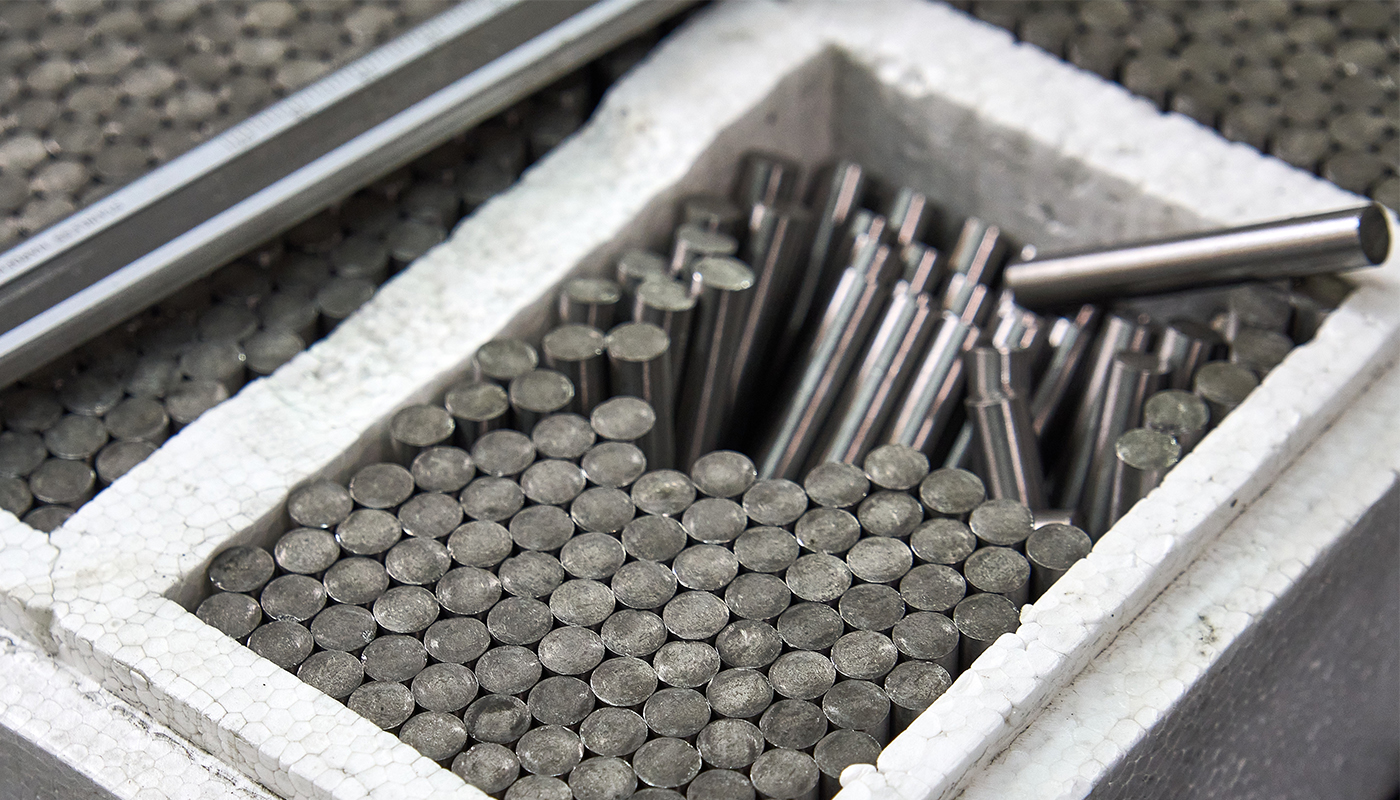
Step 1: Stable Tungsten Material Selection
Weight control starts before machining.
A professional dart manufacturer uses:
-
High-density tungsten alloys with verified composition
-
Pre-tested material batches to avoid density fluctuation
Unstable material leads to inconsistent internal density, making ±0.05g tolerance impossible—even with perfect CNC programs.
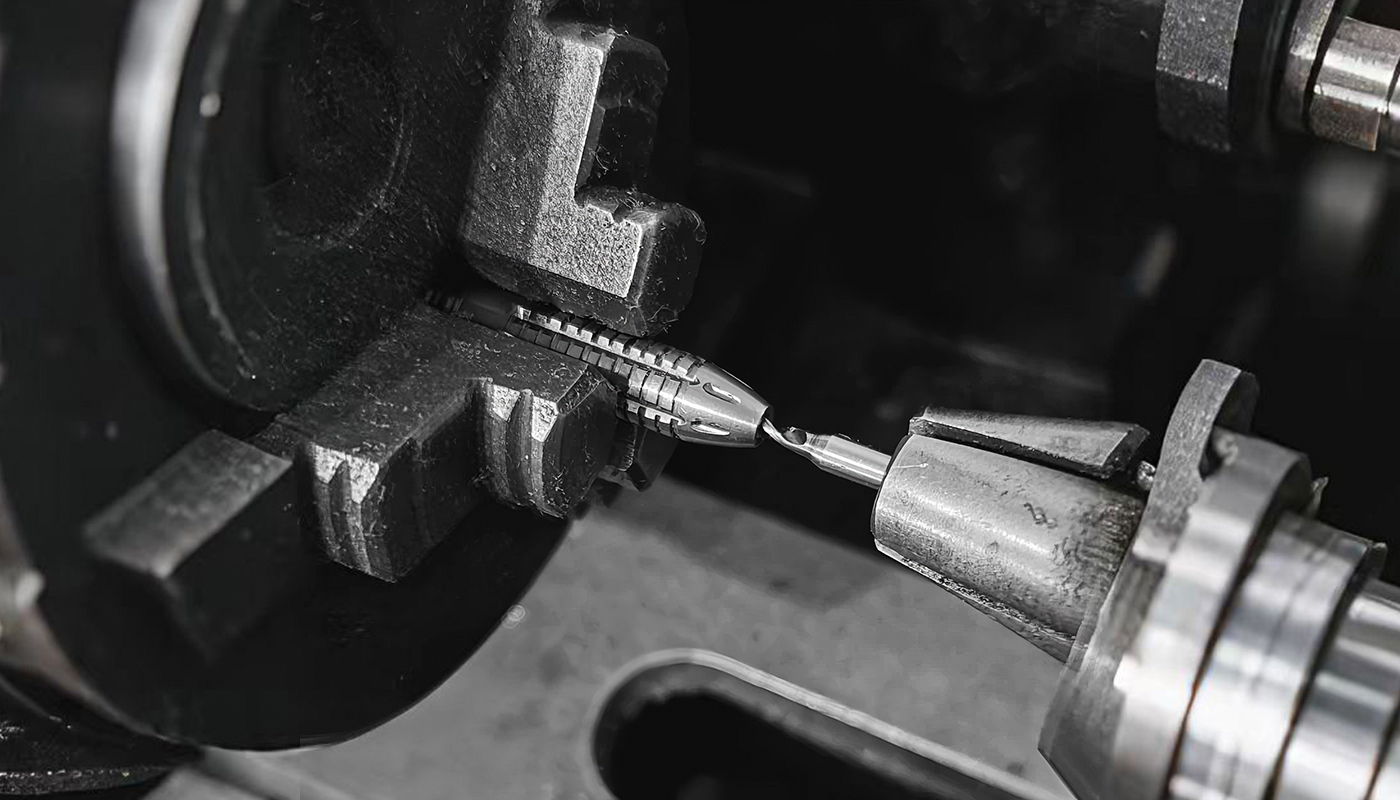
Step 2: Precision CNC Machining for Barrel Consistency
CNC machining is not just about shape—it directly affects weight.
Key controls include:
-
Tool wear monitoring
-
Program calibration between shifts
-
Controlled cutting depth for grip patterns
Professional factories document machining parameters so repeat orders can reproduce the same feel, not just the same drawing.
Step 3: 100% Weight Inspection (Not Sampling)
Many factories rely on sampling inspection.
Professional dart manufacturers do not.
Standard practice includes:
-
100% individual barrel weighing
-
Digital scales calibrated daily
-
Automatic rejection of out-of-tolerance pieces
This ensures every dart in a set meets the promised tolerance—not just a random few.
Step 4: Batch Records for Reorder Stability
Weight consistency is meaningless without traceability.
Each production batch is logged with:
-
Material batch number
-
CNC program version
-
Inspection records
This allows brands to reorder months later without re-validating the product.
Conclusion
±0.05g weight tolerance is not achieved by luck or manual adjustment.
It is the result of a systematic manufacturing process.
For brands seeking long-term partners, weight control is one of the clearest indicators of a professional dart manufacturer.
This allows brands to reorder months later without re-validating the product.
FAQ
Q1: Is ±0.05g weight tolerance necessary for all dart products?
Not for all markets. Entry-level darts can allow wider tolerance, but for professional, competition, or repeat-order SKUs, ±0.05g significantly improves consistency and reduces customer complaints.
Q2: How do manufacturers actually measure dart weight accurately?
Professional dart manufacturers use calibrated digital scales and perform 100% individual inspection, not sampling. Scales are recalibrated daily to ensure accuracy.
Q3: Can weight tolerance be maintained across repeat orders?
Yes, but only if the factory keeps batch records, CNC program versions, and material traceability. Without these systems, consistency across reorders is difficult.
Q4: Does higher tungsten content guarantee better weight consistency?
No. Tungsten grade affects density, but machining control and inspection systems are more critical to achieving stable tolerance.
Q5: How does poor weight control affect brands?
It often leads to higher return rates, negative reviews, and the inability to reorder the same SKU confidently.

