
Part 1: Dart Manufacturing Process Explained in Detail
1. Raw Material Selection for Darts
The dart manufacturing process begins with material selection, which directly affects weight balance, durability, and throwing accuracy.
-
Dart Barrels: Typically made from tungsten alloy or brass. Tungsten allows slimmer barrels at the same weight, preferred by professional players.
-
Dart Tips: Steel tips for traditional boards; plastic soft tips for electronic dartboards.
-
Shafts: Nylon, polycarbonate, or aluminum materials selected for strength and flexibility.
-
Flights: PET or PVC sheets chosen for consistent aerodynamic behavior.
All raw materials undergo hardness, density, and composition checks before entering production.
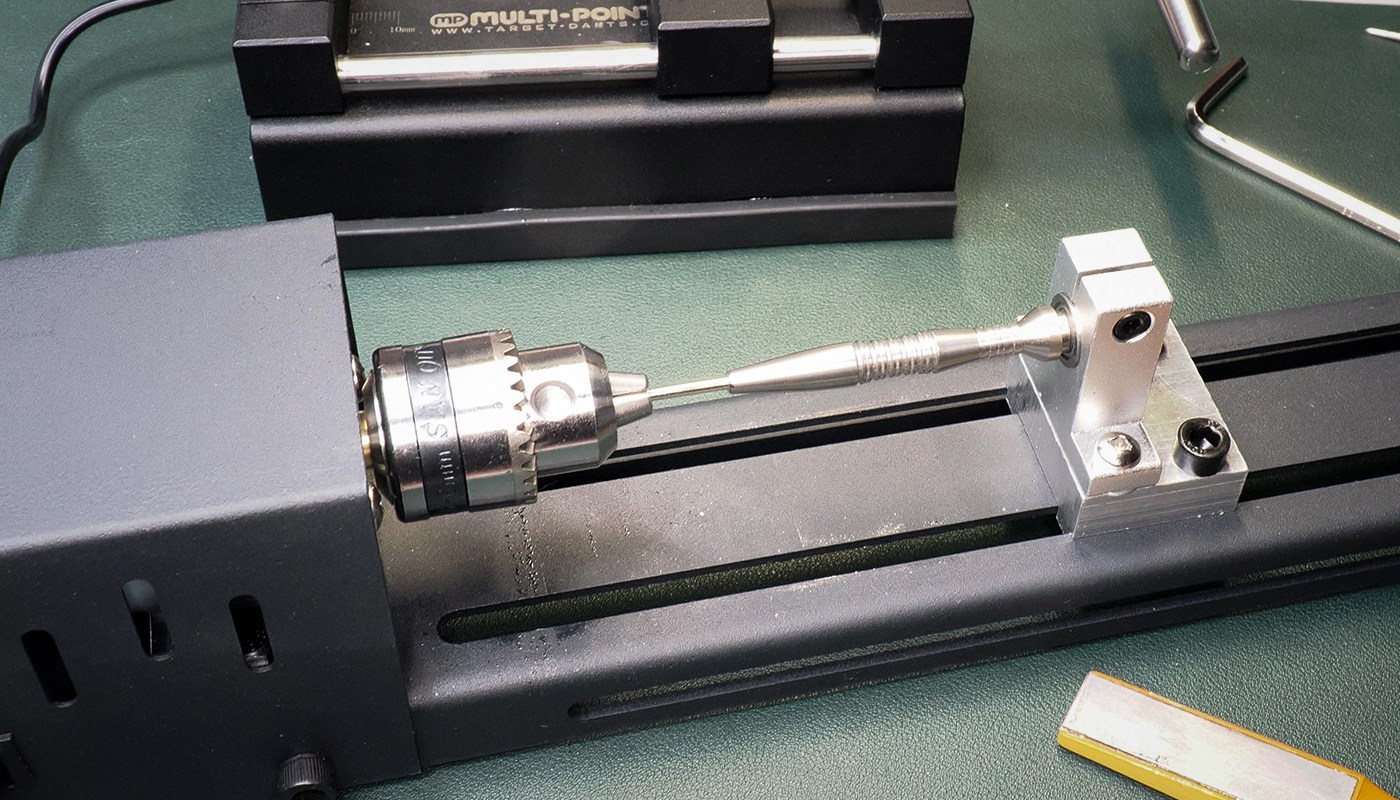
2. Dart Barrel CNC Machining
The dart barrel is the most critical component and requires high-precision processing.
Manufacturing steps include:
-
CNC turning to achieve exact diameter and weight
-
Precision cutting to control length and balance point
-
Knurling or grip-pattern engraving for finger traction
-
Surface finishing such as polishing, sandblasting, or coating
Tolerances are tightly controlled, often within ±0.05g, to ensure consistency across mass production.
3. Tip Manufacturing and Treatment
-
Steel tips are cut, hardened, and tempered to resist bending.
-
Soft tips are injection-molded and tested for impact resistance and thread accuracy.
Tips are tested for penetration, breakage resistance, and thread compatibility with barrels.
4. Shaft Production (Injection Molding or CNC)
Shafts are produced via injection molding or CNC machining depending on material type.
Key control points:
-
Thread precision to prevent loosening
-
Straightness and flexibility balance
-
Impact resistance under repeated throws
5. Flight Printing and Die Cutting
Flights are produced through a multi-step process:
-
Graphic printing using UV or offset printing
-
Die cutting into standardized shapes
-
Folding and angle forming for aerodynamic stability
Each batch is inspected for thickness, symmetry, and print durability.
6. Dart Assembly and Performance Testing
All components are assembled into finished darts and tested for:
-
Weight accuracy
-
Center of gravity
-
Flight stability during throw simulation
Only darts that meet factory performance standards proceed to packaging.
Part 2: Dartboard Manufacturing Process Explained in Detail
1. Sisal Fiber Selection and Conditioning
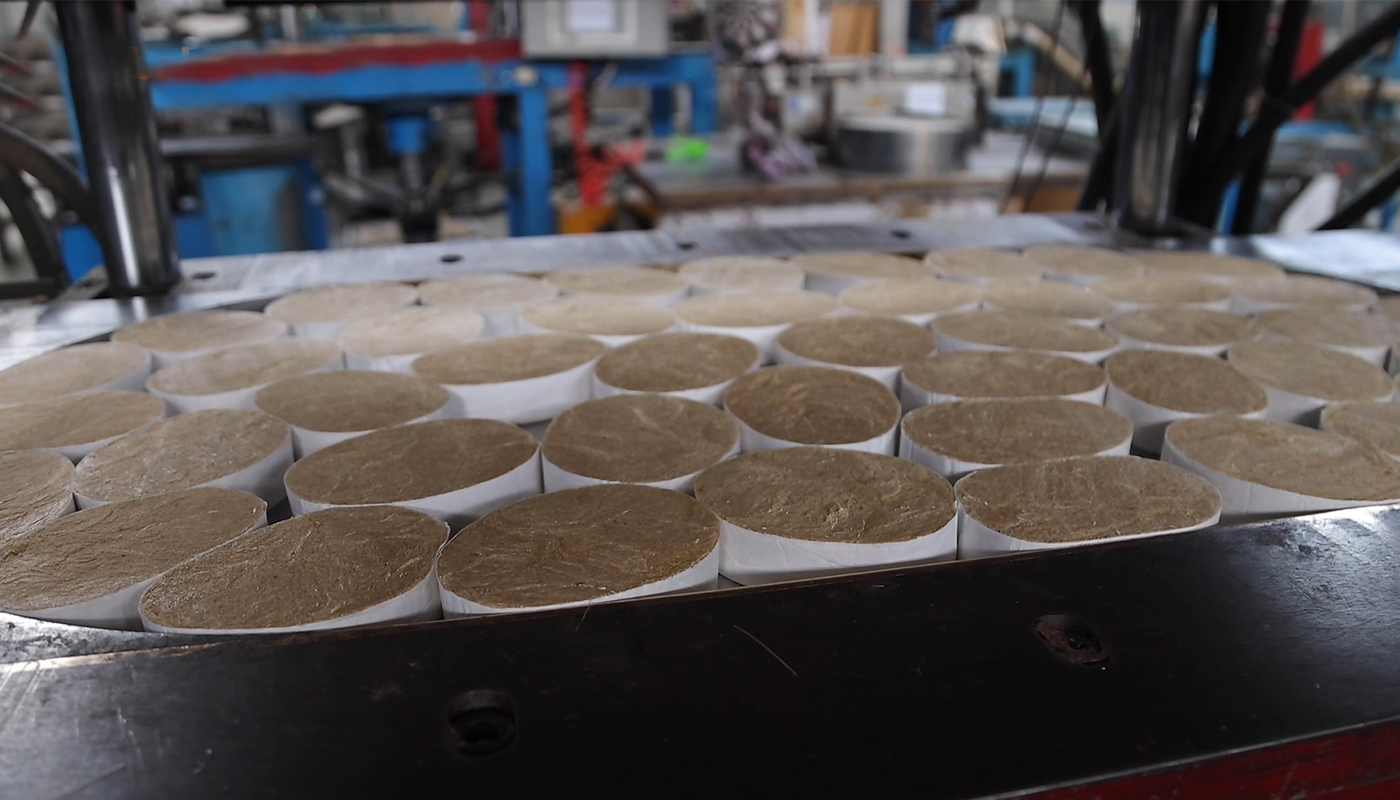
Professional dartboards are made from natural sisal fibers, sourced and graded by length, strength, and moisture content.
Before processing, fibers are:
-
Cleaned and sorted
-
Conditioned for humidity balance
-
Prepared for high-pressure compression
2. Sisal Compression and Board Formation
Conditioned fibers are compressed under extreme pressure to form dense blocks.
Critical factors include:
-
Fiber density consistency
-
Compression uniformity
-
Structural stability
Blocks are then cut into precise segments that form the dartboard surface.
3. Board Surface Assembly
Segments are bonded together to create the full dartboard face.
At this stage, factories ensure:
-
Uniform hardness across scoring zones
-
Accurate bullseye positioning
-
Flat and stable board surfaces
4. Wiring System Installation
Metal wiring is installed to divide scoring areas.
Key technical requirements:
-
Exact wire thickness
-
Accurate spacing between segments
-
Secure embedding to reduce bounce-outs
Number rings are installed according to international layout standards.
5. Frame and Backboard Construction
The dartboard backing is attached to provide structural support and wall-mount stability.
Backing materials are tested for:
-
Impact absorption
-
Long-term deformation resistance
-
Mounting strength
6. Dartboard Quality Testing
Each dartboard undergoes multiple inspections:
-
Penetration depth testing
-
Fiber recovery (self-healing) tests
-
Surface flatness checks
-
Visual alignment inspection
Only boards that meet durability and performance criteria are approved.
Part 3: Customization, Packaging, and Logistics
For OEM and private-label clients, factories provide:
-
Custom color schemes and number styles
-
Logo printing on boards or packaging
-
Retail-ready and e-commerce packaging solutions
Packaging is designed to protect products during long-distance shipping and comply with international transport standards.
Conclusion
The manufacturing of darts and dartboards is a highly specialized process that combines material science, precision machining, and strict quality control. From CNC-machined dart barrels to compressed sisal dartboard surfaces, every production step directly impacts performance and longevity.
By working with an experienced dart manufacturing factory, brands and distributors gain consistent quality, customization flexibility, and reliable global supply — all essential for long-term success in the darts market.
FAQ
1. Why is tungsten preferred for dart barrels?
Tungsten allows slimmer barrels at the same weight, improving grip control and accuracy for players.
2. How do factories ensure dartboard durability?
Through high-density sisal compression, controlled moisture conditioning, and penetration testing.
3. Are dart and dartboard processes handled in the same factory?
Professional manufacturers often have separate production lines to maintain specialization and quality.
4. Can factories customize both darts and dartboards?
Yes. OEM services typically include logo branding, color customization, and packaging design.
5. How long does production take for custom orders?
Depending on complexity and volume, production usually takes 3–6 weeks.

