
Raw Material Selection: The Foundation of Quality
Every dart begins with carefully selected materials. The most common barrel materials include brass and tungsten, each chosen for specific performance characteristics. Tungsten allows for slimmer barrels with higher density, while brass offers cost efficiency and ease of machining.
Before production begins, raw materials are tested for density, hardness, and consistency. Reliable dart manufacturers understand that material quality directly affects balance, grip, and durability in the final product.
Precision Machining of Dart Barrels
Once materials are approved, the production line moves to CNC machining, where dart barrels are shaped with extreme accuracy. Modern dart factories use automated CNC lathes to ensure each barrel meets tight tolerance standards.
Key machining processes include:
-
Barrel shaping and diameter control
-
Grip pattern cutting (ringed, knurled, or custom textures)
-
Weight adjustment for consistent balance
This stage is critical, as even minor deviations can impact throwing performance. Precision machining is one of the main advantages of a professional dart production line.
Shaft and Tip Manufacturing
While barrels define performance, shafts and tips ensure stability and compatibility. Shafts are typically produced using injection molding, allowing for high-volume production with consistent dimensions.
For tips, factories manufacture both steel tips and soft tips, depending on market demand. Each tip type follows different processing standards to meet safety and durability requirements.
Modern dart factories often produce these components in parallel production lines, improving efficiency and reducing lead time.
Flight Printing and Cutting
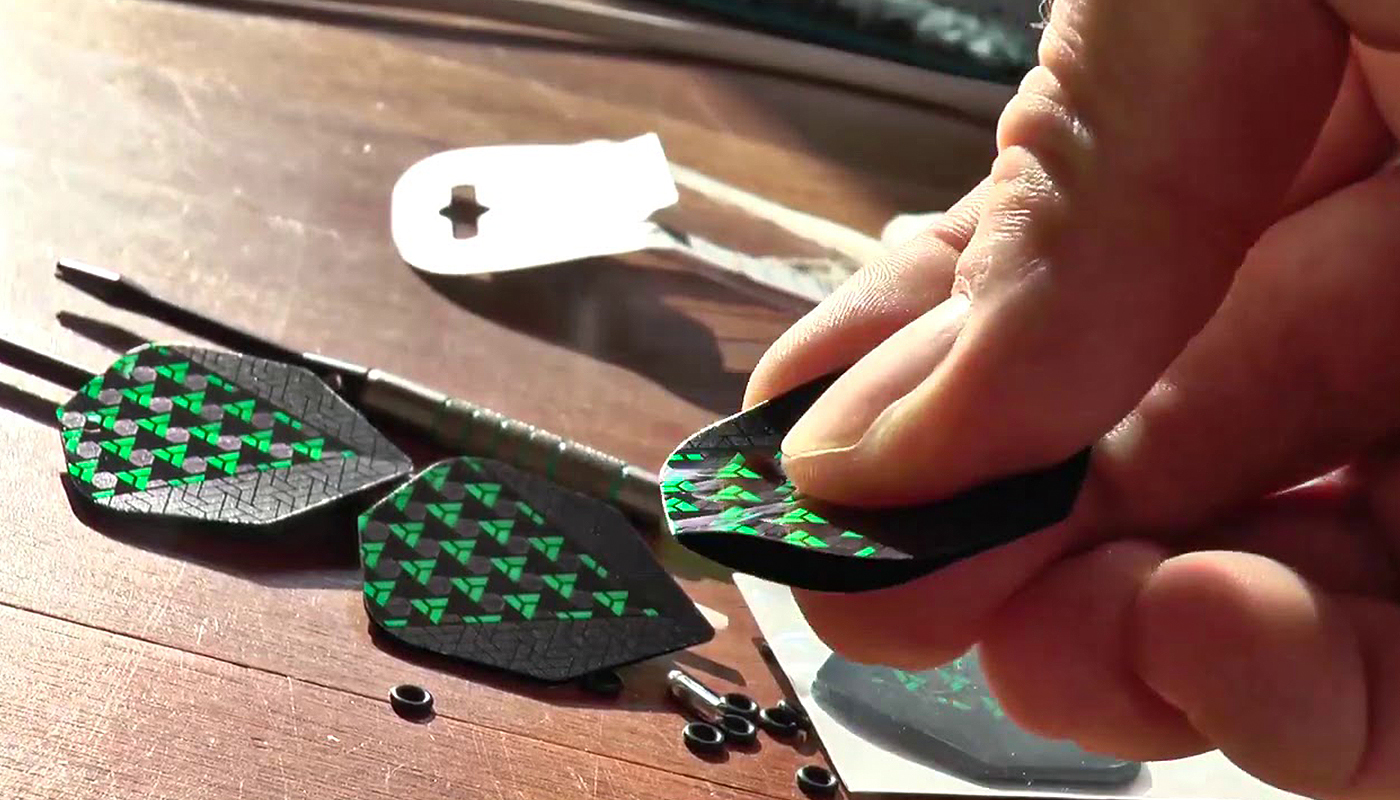
Dart flights play a key role in aerodynamics. On modern production lines, flights are printed using high-resolution printing machines, then precisely cut using automated dies or laser systems.
Customization is common at this stage. Many custom dart manufacturers offer branded designs, unique colors, and private-label graphics to support OEM and promotional orders.
Assembly and Weight Matching
After individual components are produced, the darts move to the assembly line. Barrels, shafts, tips, and flights are assembled, and each dart is checked for overall balance and weight consistency.
Advanced factories use digital scales and matching systems to ensure that darts within the same set meet strict weight tolerances. This step is essential for professional and competition-level products.
Quality Control and Final Inspection
Quality control is integrated throughout the dart manufacturing process, but final inspection is where consistency is guaranteed.
Typical checks include:
-
Weight and balance verification
-
Grip and surface finish inspection
-
Tip strength and alignment testing
-
Packaging inspection
Only darts that pass all inspections proceed to packaging. This systematic approach is what separates reliable dart factories from low-quality suppliers.

Packaging and Global Distribution
The final stage of the production line is packaging. Depending on the market, darts may be packed in retail boxes, gift sets, or bulk export cartons.
Modern factories design packaging to protect products during international shipping while supporting branding and retail presentation. With optimized logistics systems, darts are then shipped worldwide to distributors, e-commerce sellers, and sports brands.
Conclusion
Modern dart production lines combine precision machinery, skilled engineering, and strict quality control to produce darts that meet global standards. From raw material selection to final packaging, every step plays a vital role in performance and reliability.
For buyers and brands, understanding how darts are made helps identify trustworthy manufacturers and ensures long-term success in the competitive darts market.
FAQ
1. What machines are used in modern dart production lines?
Modern dart factories use CNC lathes, injection molding machines, automated printing systems, and digital inspection equipment.
2. Why is CNC machining important for darts?
CNC machining ensures precise barrel dimensions, consistent weight, and uniform grip patterns, all of which affect dart performance.
3. Are all dart components made in one factory?
Many professional dart factories integrate barrel, shaft, flight, and assembly production to maintain quality and efficiency.
4. How do factories ensure consistent dart weight?
Factories use digital scales and weight-matching systems during assembly and final inspection to control tolerances.
5. Can modern production lines support custom dart orders?
Yes. Advanced dart production lines are designed to handle OEM and private-label orders with customized designs, materials, and packaging.

