
What Tungsten Percentage Really Means
Dart barrels are rarely made from pure tungsten. Instead, they are produced from tungsten alloys, which combine tungsten with other metals such as nickel or iron. These additional metals improve the workability of the material and allow the barrels to be machined accurately.
The tungsten percentage printed on dart packaging refers to the proportion of tungsten within the alloy. For example, a dart labeled as 90% tungsten contains approximately ninety percent tungsten and ten percent other metals.
As the tungsten percentage increases, the overall density of the alloy also increases. This higher density allows manufacturers to create smaller and slimmer barrels while maintaining the same weight.
This property is one of the main reasons tungsten has become the dominant material used in modern professional darts.
Why Density Matters for Dart Performance
Material density plays a significant role in the overall feel and performance of darts.
Because tungsten is extremely dense, it allows manufacturers to design darts that are both heavy and compact. Compared with brass or steel darts, tungsten barrels can achieve the same weight with a much smaller diameter.
Slimmer barrels provide several advantages for players.
First, they allow darts to group more closely together on the board. When darts occupy less space in a scoring segment, players have a better chance of landing multiple darts in high-scoring areas such as the triple twenty.
Second, thinner barrels produce slightly less air resistance during flight. While the difference may seem small, experienced players often notice smoother and more stable trajectories.
Finally, compact barrels give advanced players more control over finger placement and release timing. This level of precision becomes important during competitive play.
However, slimmer darts are not always ideal for beginners. Some players prefer slightly thicker barrels because they provide a more comfortable grip.
Common Tungsten Grades in the Dart Market
Different tungsten percentages are used to serve different types of players and price levels.
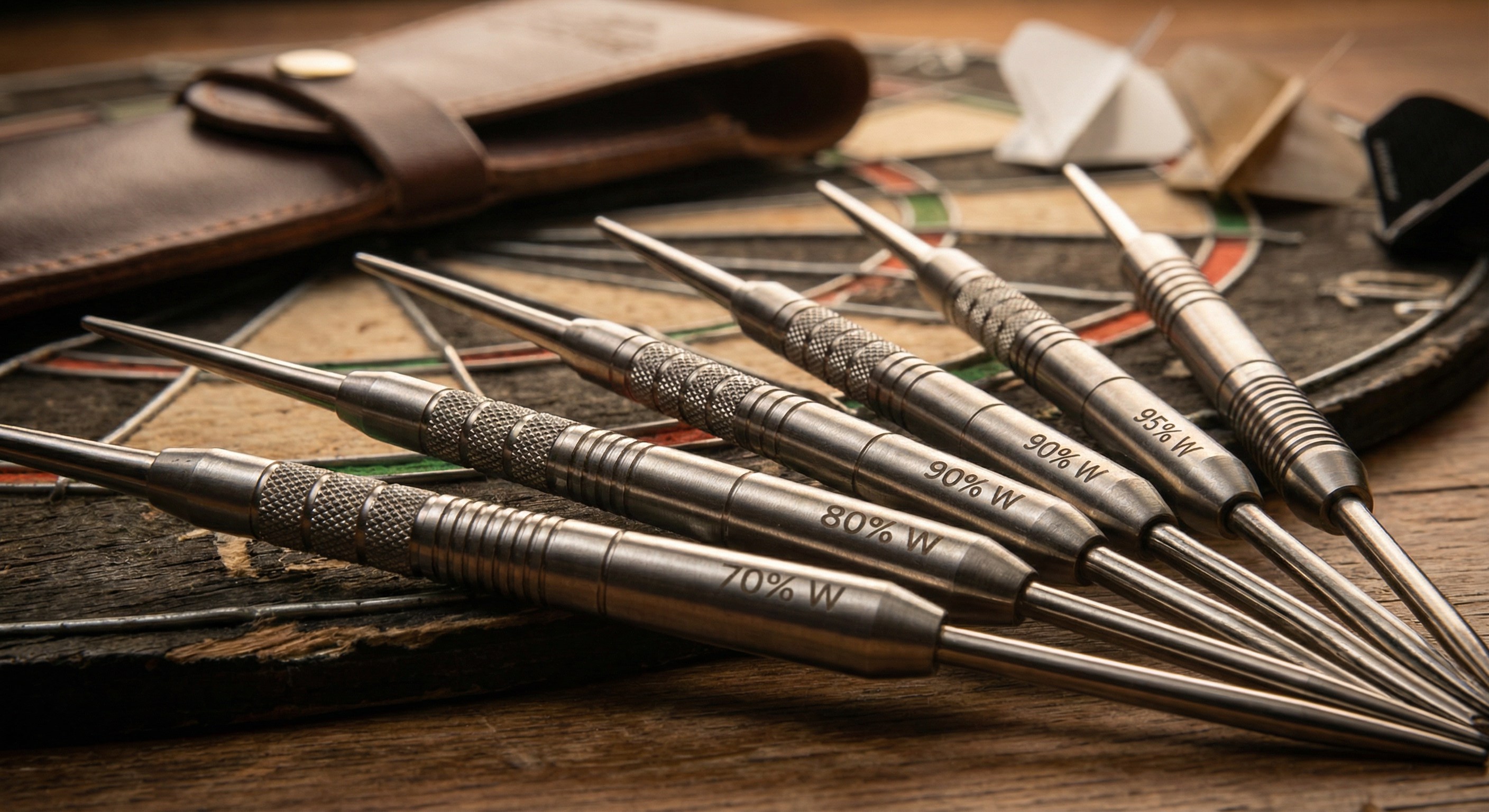
Lower tungsten percentages are commonly found in entry-level products. Darts in this category typically contain around seventy percent tungsten. Because the material is less dense, these darts usually have thicker barrels. The larger diameter can make them easier to grip, which is helpful for beginners.
Mid-range darts often use around eighty percent tungsten. This material provides a noticeable improvement in density while keeping manufacturing costs manageable. Many casual and intermediate players find this category to be a good balance between performance and affordability.
Premium darts frequently contain around ninety percent tungsten. This level of density allows for slimmer barrel designs and more refined grip patterns. Many professional-style darts sold by established brands fall into this category.
At the highest end of the market, some darts contain approximately ninety-five percent tungsten. These alloys enable extremely slim barrels and precise internal weight control. However, the increased material cost and machining difficulty make them significantly more expensive to produce.
Manufacturing Challenges with High Tungsten Alloys
Although higher tungsten percentages provide design advantages, they also create significant manufacturing challenges.
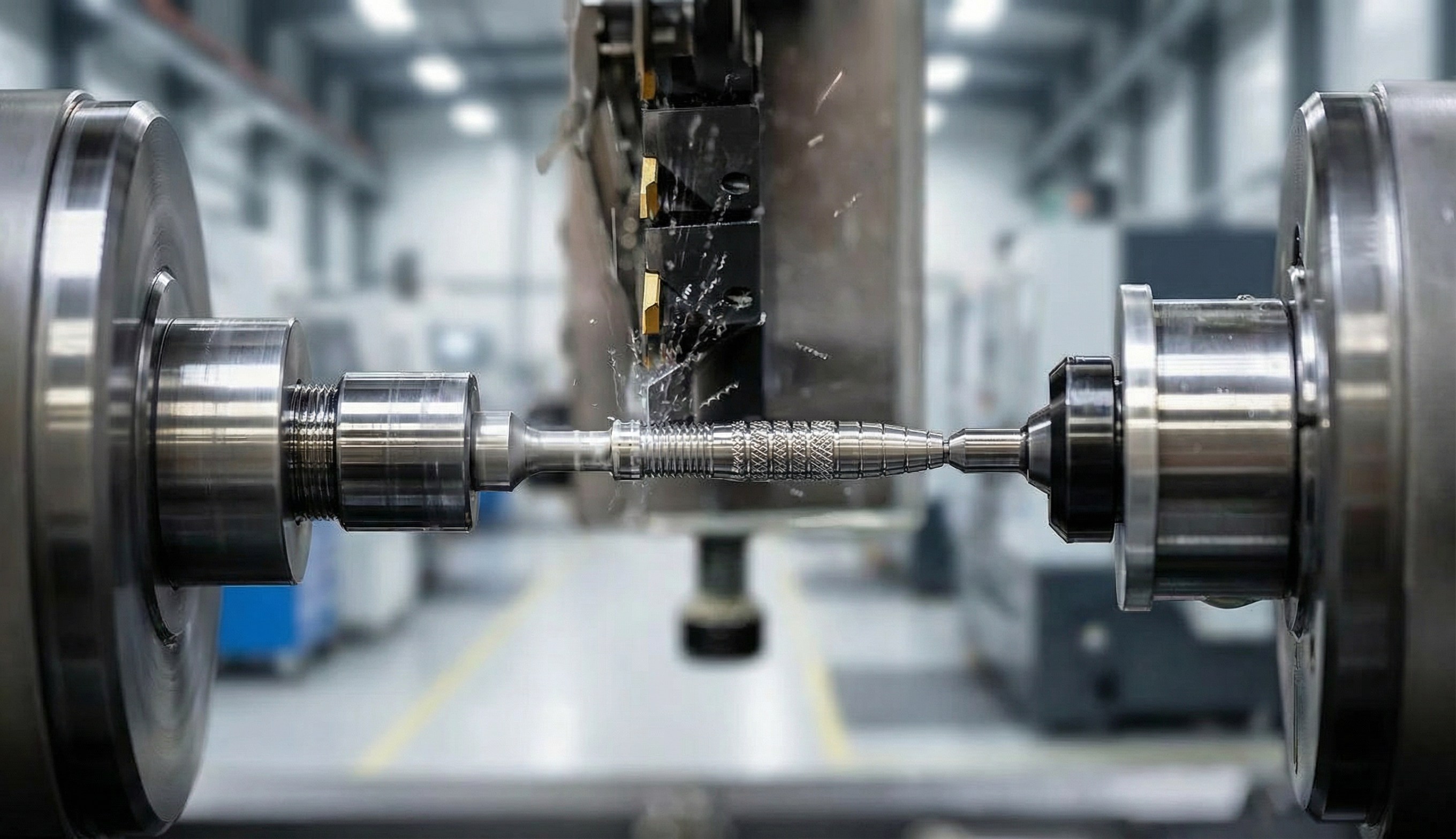
One major issue is tool wear. Tungsten alloys are extremely hard, which means cutting tools used during CNC machining wear down quickly. Factories must use high-quality carbide tools and replace them regularly to maintain precision.
Another challenge is longer machining time. High-density alloys require slower cutting speeds and multiple machining passes to achieve the desired shape and grip patterns. Complex designs such as micro rings or shark grips can significantly increase production time.
In addition, higher tungsten content increases raw material costs. Tungsten is an expensive metal, and fluctuations in global supply can affect pricing. As a result, darts with higher tungsten percentages typically have higher retail prices.
These factors explain why premium darts are both more expensive and more challenging to manufacture.
How Tungsten Density Affects Dart Design
Material density allows engineers to adjust the internal structure of dart barrels in very precise ways.
By modifying the internal drilling depth or wall thickness, manufacturers can control the center of gravity of the dart. This determines whether the dart feels front-weighted, center-balanced, or rear-weighted during play.
Front-weighted darts tend to stabilize quickly during flight and are often preferred by players with faster throwing styles.
Center-balanced darts provide a neutral feel that suits many players and are common in all-around designs.
Rear-weighted darts allow smoother release for players who grip the dart near the back of the barrel.
The higher the tungsten density, the easier it becomes for manufacturers to fine-tune these balance characteristics without dramatically increasing barrel size.
Choosing the Right Tungsten Grade for Different Markets
When brands develop dart products, they must consider the preferences of their target customers.
Casual players and beginners often prioritize affordability and comfort. Slightly thicker barrels made from lower tungsten percentages may actually provide a better experience for this group.
Intermediate players usually look for improved performance and tighter grouping capability. Products in the mid-range tungsten category often appeal to this market.
Advanced or competitive players typically prefer high-tungsten darts. These darts provide slimmer profiles and more precise balance control, which can support higher-level performance.
Because each market segment has different expectations, experienced manufacturers often guide brands in selecting the most suitable tungsten grade for their product lineup.
Conclusion
Tungsten percentage is far more than a marketing specification. It directly affects the design, performance, durability, and cost of dart barrels.
Higher tungsten content allows for slimmer and more precise dart designs, but it also increases manufacturing complexity and material cost.
For players, understanding tungsten grades helps them choose equipment that suits their playing style. For brands and OEM buyers, selecting the right material ensures that products meet both performance expectations and market price targets.
When material engineering and manufacturing expertise are combined, tungsten darts can deliver the precision and consistency that serious players demand.
FAQs
1. Are higher tungsten darts always better?
Higher tungsten percentages allow slimmer barrels, but beginners may prefer thicker darts for easier grip.
2. Why are ninety percent tungsten darts so popular?
They provide a strong balance between slim design, durability, and production cost.
3. Does tungsten percentage affect durability?
Yes. Higher tungsten alloys generally offer better structural strength and wear resistance.
4. Can tungsten percentage influence dart balance?
Yes. Higher density materials give manufacturers more flexibility when designing the internal weight distribution.
5. Why are high-tungsten darts more expensive?
Tungsten is a costly metal, and machining high-density alloys requires specialized tools and longer production time.

