
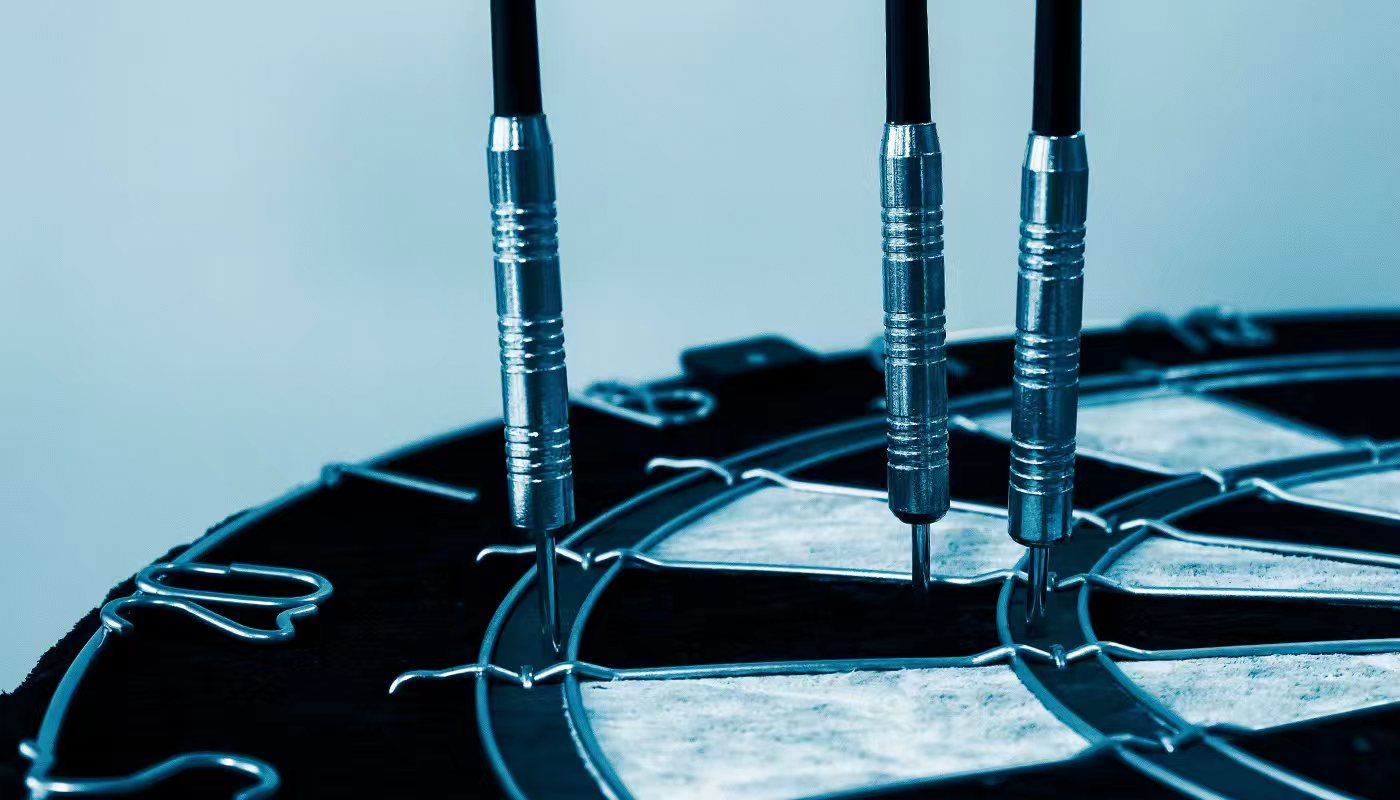
Step 1: Design and Concept Development
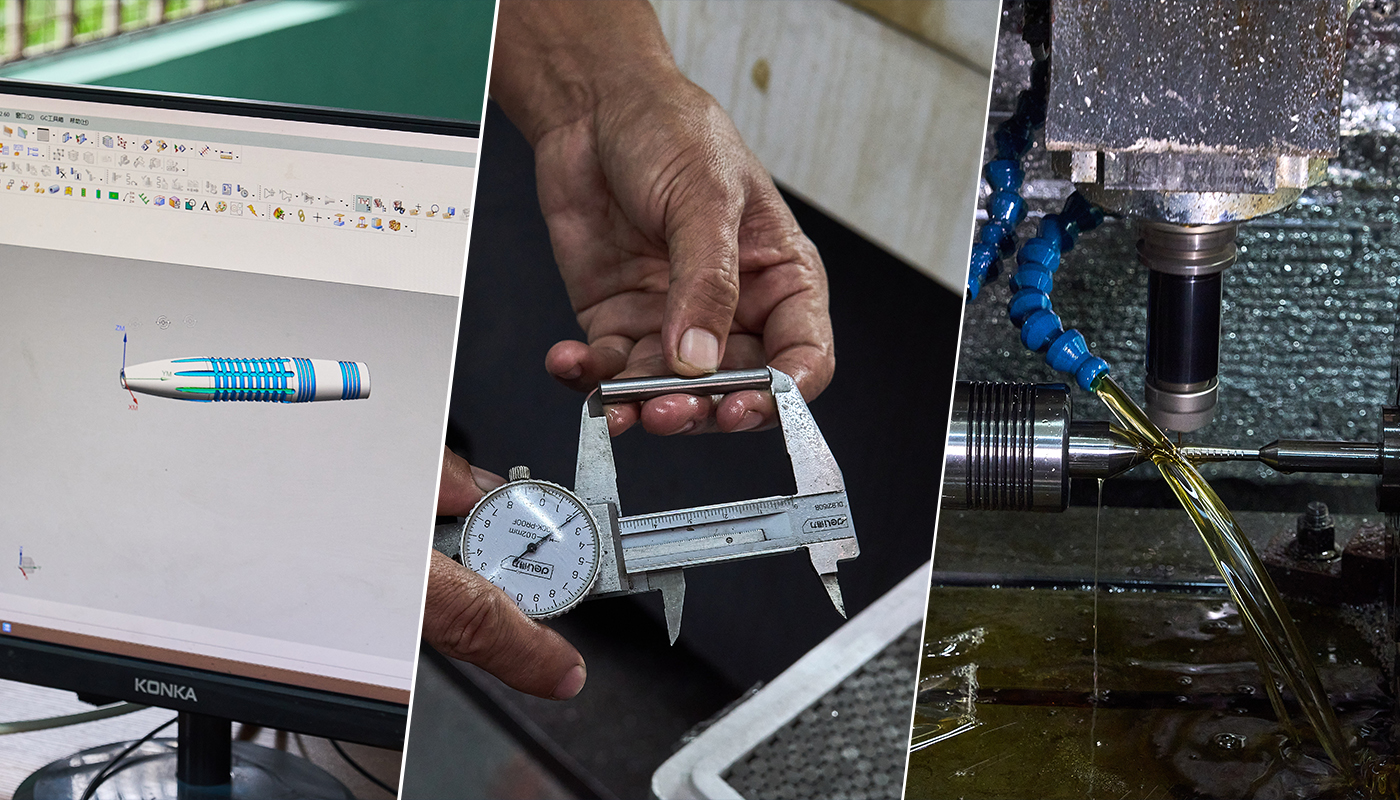
The journey begins with custom design. Clients often provide branding ideas, logos, or unique specifications. The manufacturer’s design team then uses CAD (Computer-Aided Design) software to create a detailed blueprint of the dart set.
Key Factors Considered:
-
Barrel shape and grip pattern
-
Weight and balance distribution
-
Shaft and flight compatibility
-
Branding and logo placement
This stage ensures the dart’s appearance aligns perfectly with the customer’s brand identity and performance expectations.
Step 2: Material Selection
Choosing the right materials is crucial to dart performance and durability. High-quality dart manufacturers typically work with:
-
Brass (affordable and beginner-friendly)
-
Tungsten (high density, ideal for professionals)
-
Stainless steel or nickel (durable and corrosion-resistant)
The selected materials are sourced from verified suppliers to ensure consistency in every batch — an essential factor for large-scale OEM dart production.
Step 3: Precision Machining of Dart Barrels
Once materials are prepared, CNC (Computer Numerical Control) machines cut and shape the dart barrels with extreme precision. The barrel design — including knurling, grooves, and rings — directly affects grip and throwing accuracy.
After machining, each barrel is polished and weight-tested to ensure it matches international standards. This stage is where technology meets craftsmanship, giving every dart a professional finish.
Step 4: Coating, Printing, and Branding
Customization takes center stage here. The factory applies various surface finishes and color coatings, such as anodized aluminum or electroplated nickel, to enhance both appearance and durability.
Branding elements are then added using laser engraving or pad printing, allowing for:
-
Company logos
-
Event names
-
Special edition designs
This step transforms a simple dart into a branded promotional tool or collector’s item.
Step 5: Assembling the Complete Dart Set
After the barrels are finished, the shaft, flight, and tip are assembled. Depending on the order, darts may feature:
-
Steel tips (for bristle dartboards)
-
Soft tips (for electronic dartboards)
Each component is carefully matched to maintain the desired balance and flight stability. The factory also provides custom dartboards, packaging, and accessories to create a complete branded product line.
Step 6: Quality Inspection and Testing
Every dart undergoes a strict quality control process. Factories typically test for:
-
Weight tolerance (±0.1g)
-
Straightness and symmetry
-
Grip texture and coating quality
Some advanced factories even use automated inspection systems to ensure uniformity across thousands of units — guaranteeing professional-level performance in every throw.
Step 7: Packaging and Global Delivery
Finally, darts are packed according to client specifications. Options range from retail-ready blister packs to elegant gift boxes for corporate promotions.
Factories often handle global logistics and export documentation, ensuring safe and timely delivery to distributors, e-commerce sellers, or wholesalers worldwide.
Why Custom Darts Matter for Your Brand
Partnering with a reliable dart manufacturer allows brands to stand out in a competitive market. Custom darts are not just sports equipment — they are marketing tools, gifts, and lifestyle products that carry your logo into homes, bars, and tournaments across the globe.
Conclusion
The process of making custom darts combines precision engineering, creativity, and advanced production technology. From design to delivery, every step ensures quality, consistency, and brand value.
For businesses, working directly with an experienced dart factory means lower costs, flexible customization, and access to professional expertise — the key ingredients to success in the growing global dart market.
FAQ
1. How long does it take to produce custom darts?
Most custom dart orders take 20–40 days, depending on design complexity, materials, and order volume.
2. Can I order darts with my company logo?
Yes. Professional dart factories offer full OEM customization, including logo engraving, color matching, and branded packaging.
3. What’s the minimum order quantity (MOQ)?
Typical MOQ starts from 100–500 sets for OEM projects, but it may vary by factory and customization level.
4. What is the difference between soft-tip and steel-tip darts?
Soft-tip darts are used for electronic dartboards and are safer for indoor play, while steel-tip darts are designed for traditional bristle boards and competitive games.
5. How do I find a reliable custom dart manufacturer?
Look for factories with experience in OEM projects, international certifications (such as CE or EN71), and proven export capability.

