
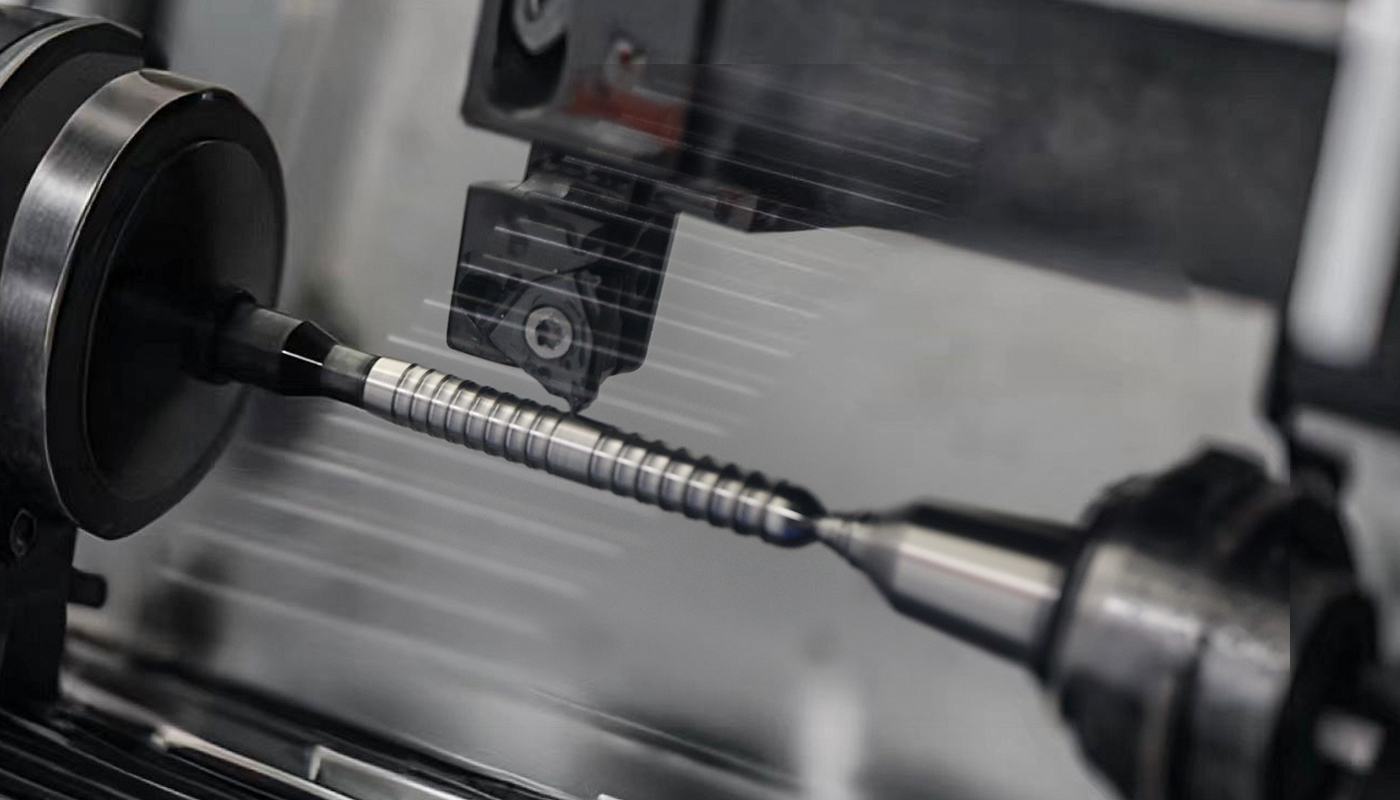
Step 1: Raw Material Selection and Inspection
The manufacturing process begins with raw materials, which directly determine the performance and lifespan of the final product. Professional dart factories carefully select materials based on product positioning and target markets.
Common materials include:
-
Brass or tungsten for dart barrels
-
Steel or plastic for dart tips (steel-tip or soft-tip)
-
Polycarbonate or nylon for shafts
-
PVC or PET film for dart flights
-
Natural sisal fiber for traditional dartboards
Before production, all incoming materials undergo inspection to ensure weight consistency, hardness, and compliance with international safety standards.
Step 2: Dart Barrel Production and Machining
The dart barrel is the core component affecting grip, balance, and accuracy. In modern dart manufacturing, barrels are produced using CNC machining or precision turning equipment.
Key Processes Include:
-
Cutting raw metal rods to length
-
CNC shaping for diameter and weight control
-
Knurling or ring-cutting to create grip patterns
-
Polishing or coating for surface finish
High-end custom darts often require tight weight tolerances, which professional factories control within strict limits to ensure consistent throwing performance.
Step 3: Tip, Shaft, and Flight Manufacturing
Each dart component is produced separately before assembly.
-
Steel tips are heat-treated to improve durability and penetration
-
Soft tips are injection-molded for safety and flexibility
-
Shafts are molded or machined to ensure strength and straightness
-
Flights are printed, cut, and folded for aerodynamic stability
These parts are tested individually to ensure compatibility and performance when assembled.
Step 4: Dartboard Manufacturing Process
For traditional bristle dartboards, the process begins with compressed sisal fibers, which are shaped under high pressure to create a self-healing playing surface.
Dartboard Production Includes:
-
Sisal fiber compression and curing
-
Surface trimming and leveling
-
Precision wiring to separate scoring segments
-
Printing or painting of numbers and target zones
Electronic dartboards follow a different process, involving PCB installation, sensor calibration, and digital scoring system testing.
Step 5: Assembly and Product Customization
Once all components are ready, the factory moves to assembly. This is where OEM and private label dart production takes place.
Customization options include:
-
Logo engraving on dart barrels
-
Custom color combinations
-
Branded dartboard printing
-
Retail or promotional packaging design
Professional dart manufacturers ensure that customized elements do not affect performance or durability.
Step 6: Quality Control and Performance Testing
Quality control is a critical stage in the dart production process. Reputable factories conduct multiple inspections, including:
-
Weight and balance checks
-
Grip and surface finish inspection
-
Tip strength and durability testing
-
Dartboard bounce-out and penetration tests
Only products that meet factory standards and customer specifications move forward to packaging.
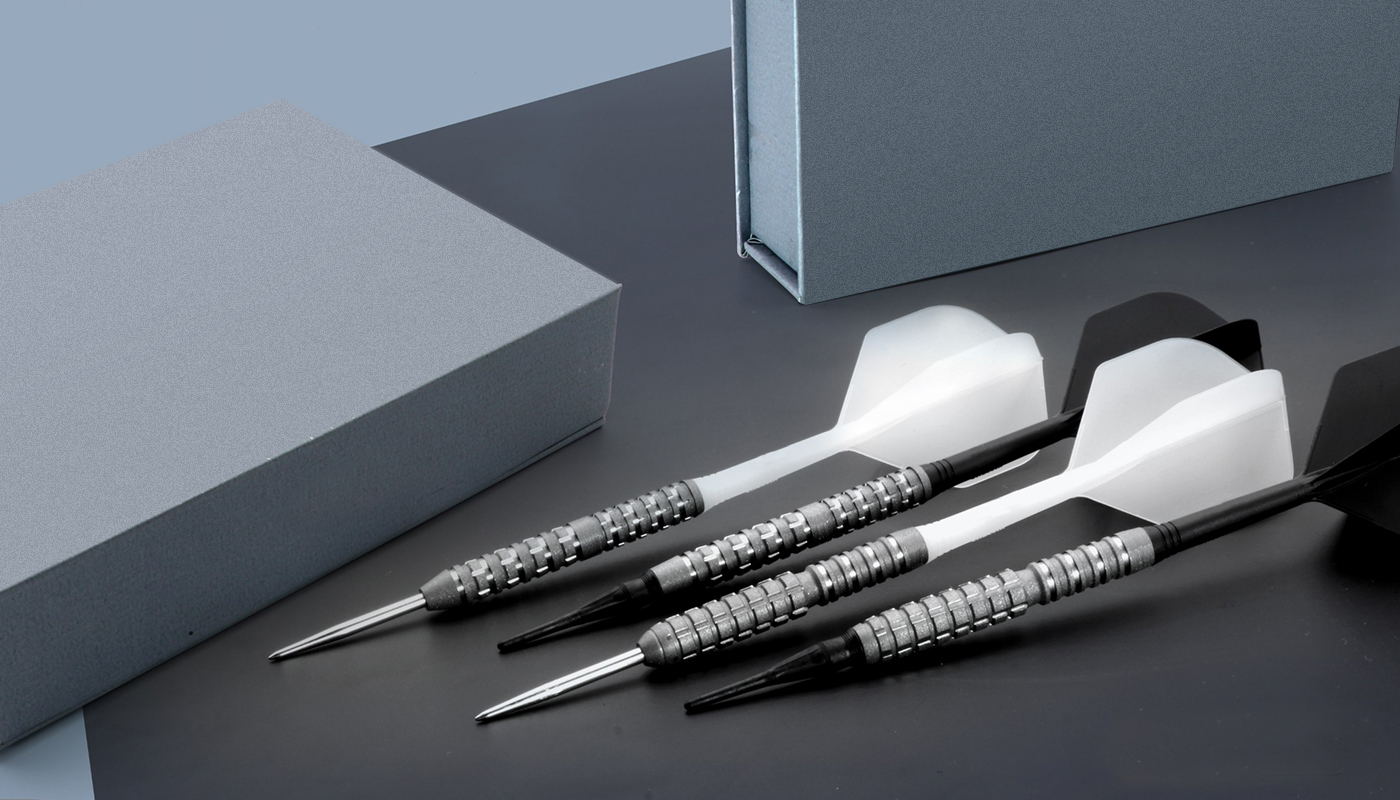
Step 7: Packaging and Global Shipping
Final products are packed using protective materials designed for international transport. Many dart suppliers in China offer customized packaging for retail, e-commerce, or bulk distribution.
Factories also assist buyers with export documentation, labeling compliance, and shipping coordination to ensure smooth global delivery.
Conclusion
From raw materials to finished products, the dart manufacturing process is a combination of precision engineering, skilled workmanship, and strict quality control. Understanding this process helps buyers choose the right dart factory, reduce sourcing risks, and ensure consistent product quality.
For brands and distributors, partnering with an experienced dart manufacturer means reliable supply, scalable production, and long-term success in the global darts market.
FAQ
1. What materials are commonly used in dart manufacturing?
Brass and tungsten are used for barrels, steel or plastic for tips, polymer materials for shafts and flights, and natural sisal fiber for traditional dartboards.
2. How do dart factories control weight consistency?
Professional factories use CNC machining and strict tolerance control, along with weight testing at multiple production stages.
3. Can darts be customized during manufacturing?
Yes. Most factories offer OEM and private label services, including logo engraving, color customization, and custom packaging.
4. How are dartboards tested for quality?
Factories test dartboards for surface durability, bounce-out resistance, wiring accuracy, and printing clarity.
5. Why is it important to understand the dart manufacturing process?
Understanding the process helps buyers evaluate factory capability, ensure product quality, and build reliable long-term supply partnerships.

