
What a Trading Company Can Do Well
Trading companies are not useless. They often offer:
-
Fast communication
-
Flexible MOQ
-
Attractive samples
However, they usually do not control:
-
Production processes
-
Quality standards
-
Batch consistency
This creates long-term risk.
Where Problems Begin: Mass Production
Common issues reported by brands include:
-
Samples feel perfect, bulk orders feel different
-
Inconsistent grip sharpness
-
Weight deviation between batches
When problems occur, trading companies must “check with the factory,” adding delays and confusion.
What a Real Dart Factory Controls Directly
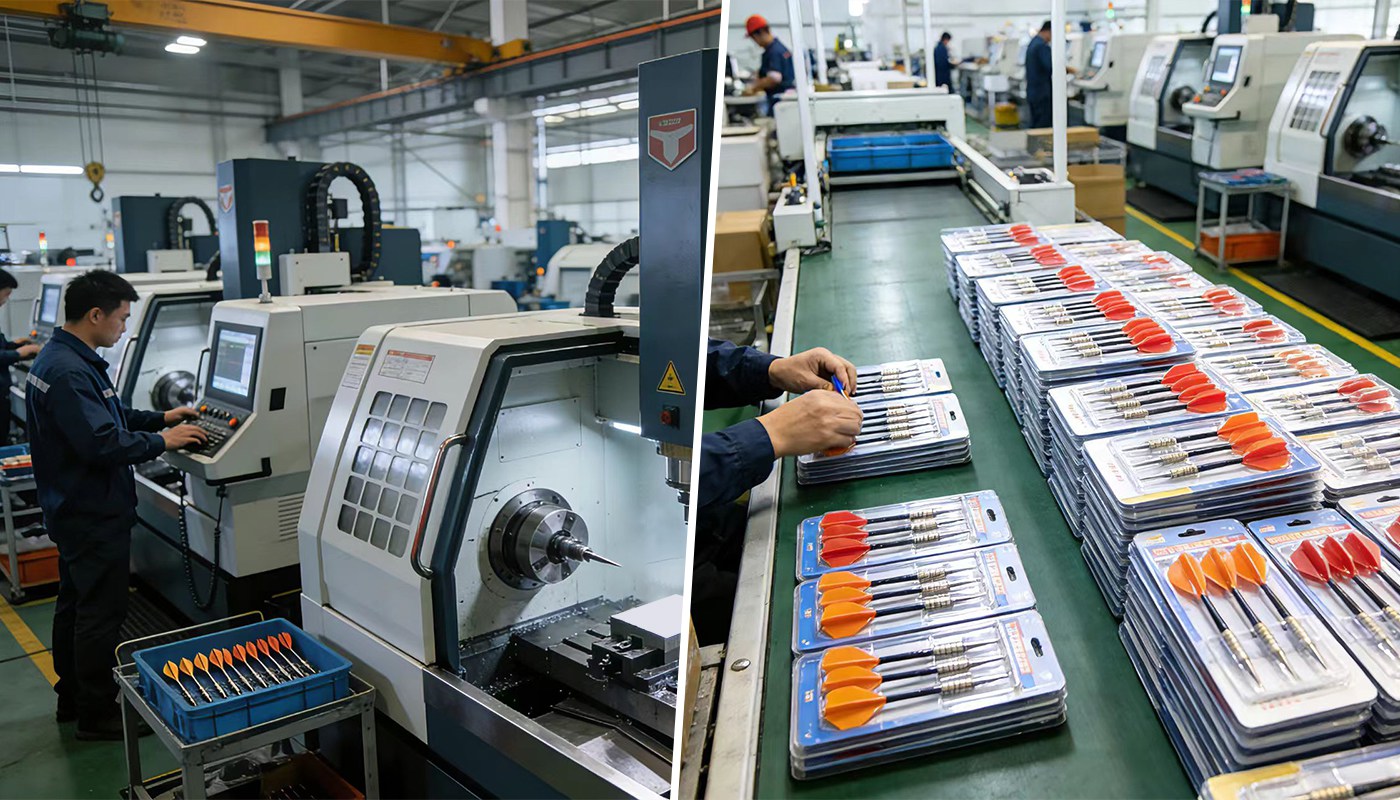
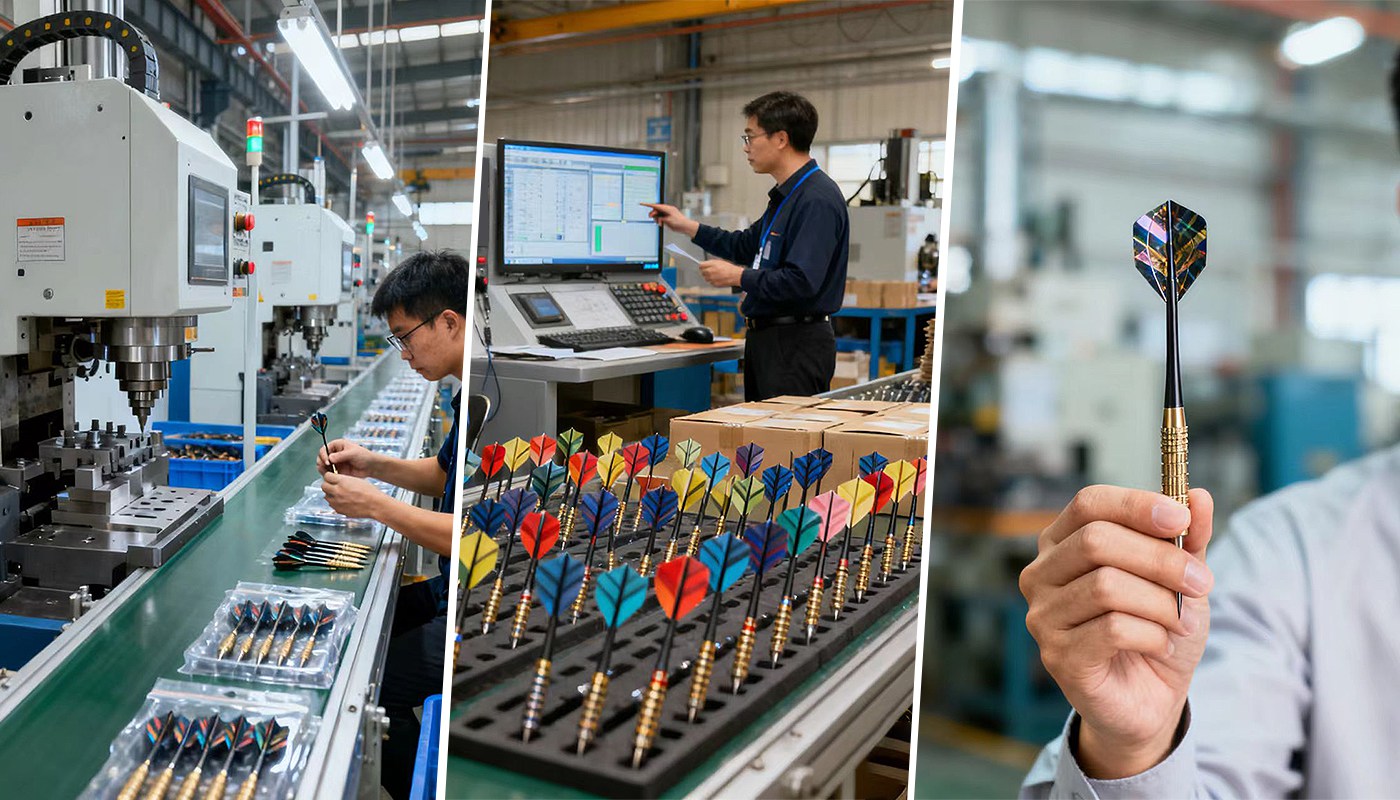
A professional dart manufacturer controls:
-
CNC machining
-
Assembly
-
Quality inspection
-
Packaging
This direct control allows:
-
Faster problem-solving
-
Clear accountability
-
Stable reorders
Factories can adjust processes; traders can only relay messages.
Cost vs Risk: The Hidden Equation
Trading companies may appear cheaper initially.
But hidden costs include:
-
Returns
-
Negative reviews
-
Product relaunch expenses
Factories reduce these risks by building repeatable systems, not one-time samples.
Conclusion
If your goal is a one-off order, a trading company may be sufficient.
If your goal is a scalable brand, a direct dart factory relationship is the safer long-term choice.
FAQ
Q1: Can a trading company provide the same quality as a factory?
Trading companies can offer good samples, but they usually do not control production or QC directly, which increases long-term risk during mass production and reorders.
Q2: Why do samples often differ from bulk orders?
Because samples are sometimes manually optimized, while bulk orders rely on standard production processes that traders do not control.
Q3: Is working directly with a factory always more expensive?
Not necessarily. While unit prices may look higher initially, factories reduce hidden costs such as returns, rework, and supply delays.
Q4: Who is responsible when quality issues occur?
With a factory, accountability is clear. With a trading company, responsibility is often unclear, leading to delays and miscommunication.
Q5: When is a trading company still a reasonable option?
For small test orders, promotional products, or one-time purchases where long-term consistency is not required.

