
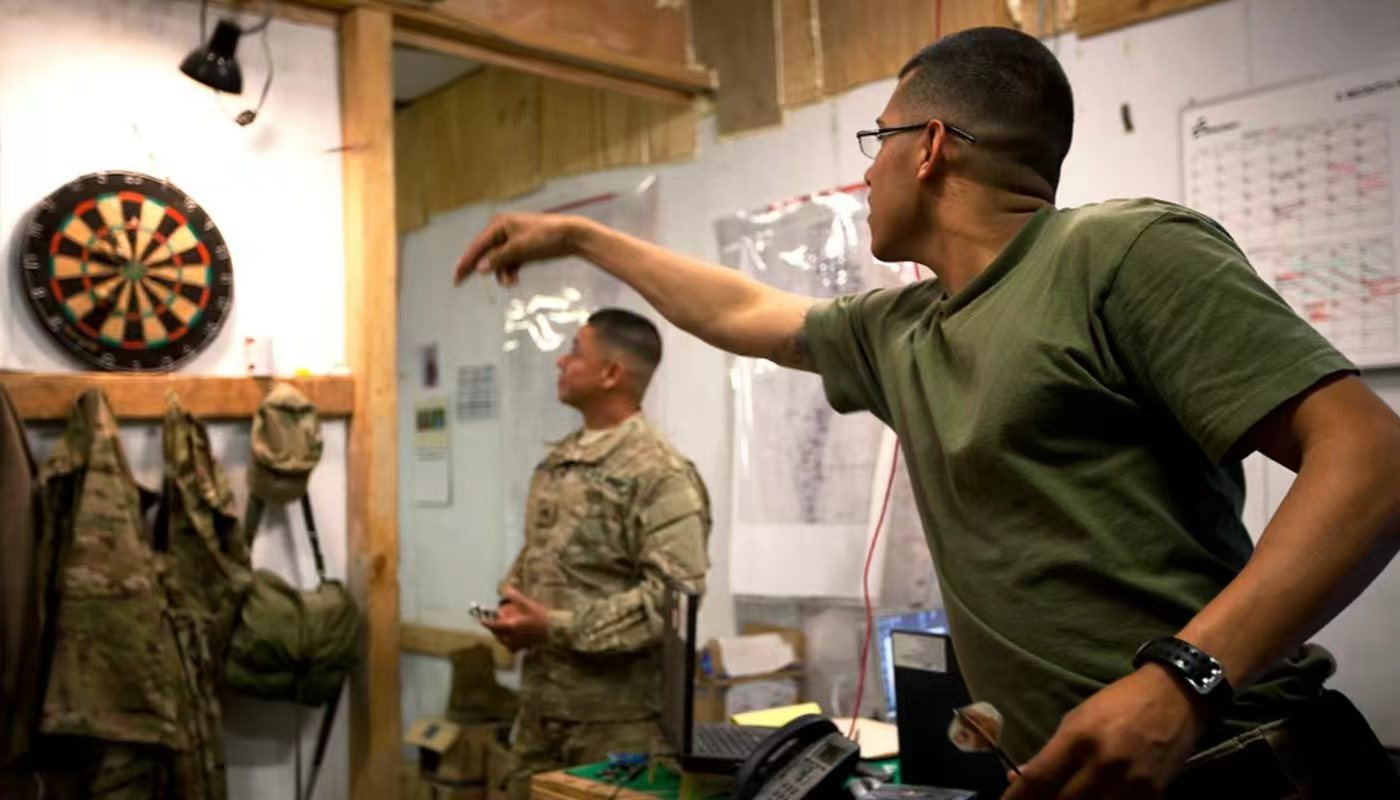
1. Darts as a Tool for Tactical Skill Development
Military and police training programs are always looking for low-cost, high-impact exercises that enhance focus and precision. Darts fit this requirement perfectly.
Throwing darts requires controlled movement, stability, and mental focus — similar to shooting or tactical target exercises. By integrating dartboard sessions into training routines, instructors can help soldiers or cadets:
-
Improve accuracy and concentration under pressure
-
Enhance fine motor skills and muscle memory
-
Sharpen reaction speed and spatial awareness
This makes darts a valuable complementary tool for both recruit training and ongoing tactical development.
2. Psychological and Cognitive Benefits
Military success depends not only on physical strength but also on mental resilience. Darts can be used as a stress management exercise, helping soldiers maintain focus and emotional control.
During downtime or team-building sessions, dart games provide a healthy way to release stress and build camaraderie. Studies have shown that such precision games can:
-
Reduce anxiety and mental fatigue
-
Enhance problem-solving and decision-making
-
Encourage mindfulness and discipline
By adding dart games to the training curriculum, organizations help personnel maintain a balanced mental state while strengthening essential combat-related skills.
3. Team Building and Competitive Spirit
Another reason darts are being adopted in military academies and police training centers is their team-building effect.
Friendly dart competitions promote healthy competition, teamwork, and communication — vital qualities for any operational unit.
Units can organize regular dart tournaments to:
-
Improve group morale and cohesion
-
Foster leadership and strategy through competitive play
-
Encourage friendly interaction between departments or teams
Such events don’t just build skill—they build unity.
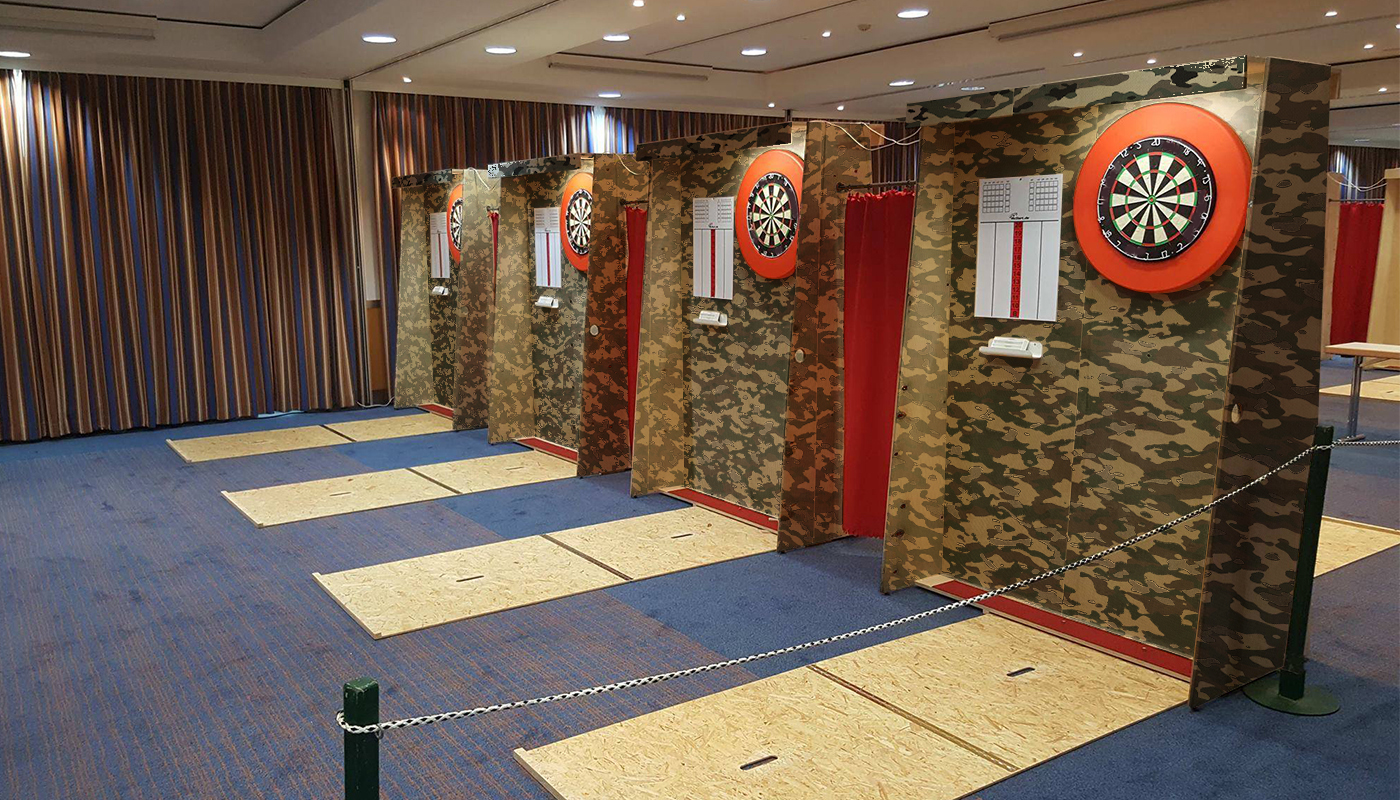
4. Types of Dartboards Suitable for Training Facilities
When used in professional training environments, safety and durability are key. The most recommended dartboards for military or law enforcement facilities include:
-
Soft-tip electronic dartboards:
Ideal for indoor use; record scores automatically; safe for group training. -
Magnetic dartboards:
Excellent for classrooms or confined spaces; safe for all ages; no sharp points. -
Bristle dartboards:
Used for competitive practice; durable and precise, suitable for advanced users.
Each option provides unique benefits, depending on training goals and available space.
5. Why Darts Are Cost-Effective for Training Programs
Compared to high-cost training simulators or shooting ranges, darts are affordable, portable, and easy to set up anywhere.
-
No complex maintenance or installation
-
Suitable for both indoor and outdoor environments
-
Encourages continuous skill refinement without extra expense
This makes darts a budget-friendly training enhancement tool that fits easily into existing schedules.
Conclusion
Darts may seem simple, but in the context of military and tactical training, they offer remarkable benefits — from improving precision and concentration to strengthening teamwork and mental control.
For organizations looking to enhance focus, reduce stress, and build stronger team dynamics, darts are an effective, low-cost addition to any training program.
Whether for the military, police academies, or security companies, dart games are proving that a centuries-old sport can still sharpen modern skills.
FAQ: Darts for Military and Training Programs
Q1: Why are darts suitable for military or police training?
Because they train precision, focus, coordination, and calmness under pressure — all crucial skills in tactical environments.
Q2: What type of dartboard is best for training facilities?
Soft-tip or magnetic dartboards are safest for group use; bristle dartboards are ideal for accuracy training.
Q3: Can darts help with stress management for soldiers?
Yes. Darts are proven to reduce stress and improve mental concentration during downtime or rest periods.
Q4: Are darts cost-effective compared to other training tools?
Absolutely. They require minimal space, no maintenance, and deliver long-term skill and psychological benefits.
Q5: How can organizations integrate darts into training programs?
Start with short accuracy drills or friendly competitions. They can be added as part of daily physical or mental training sessions.

