
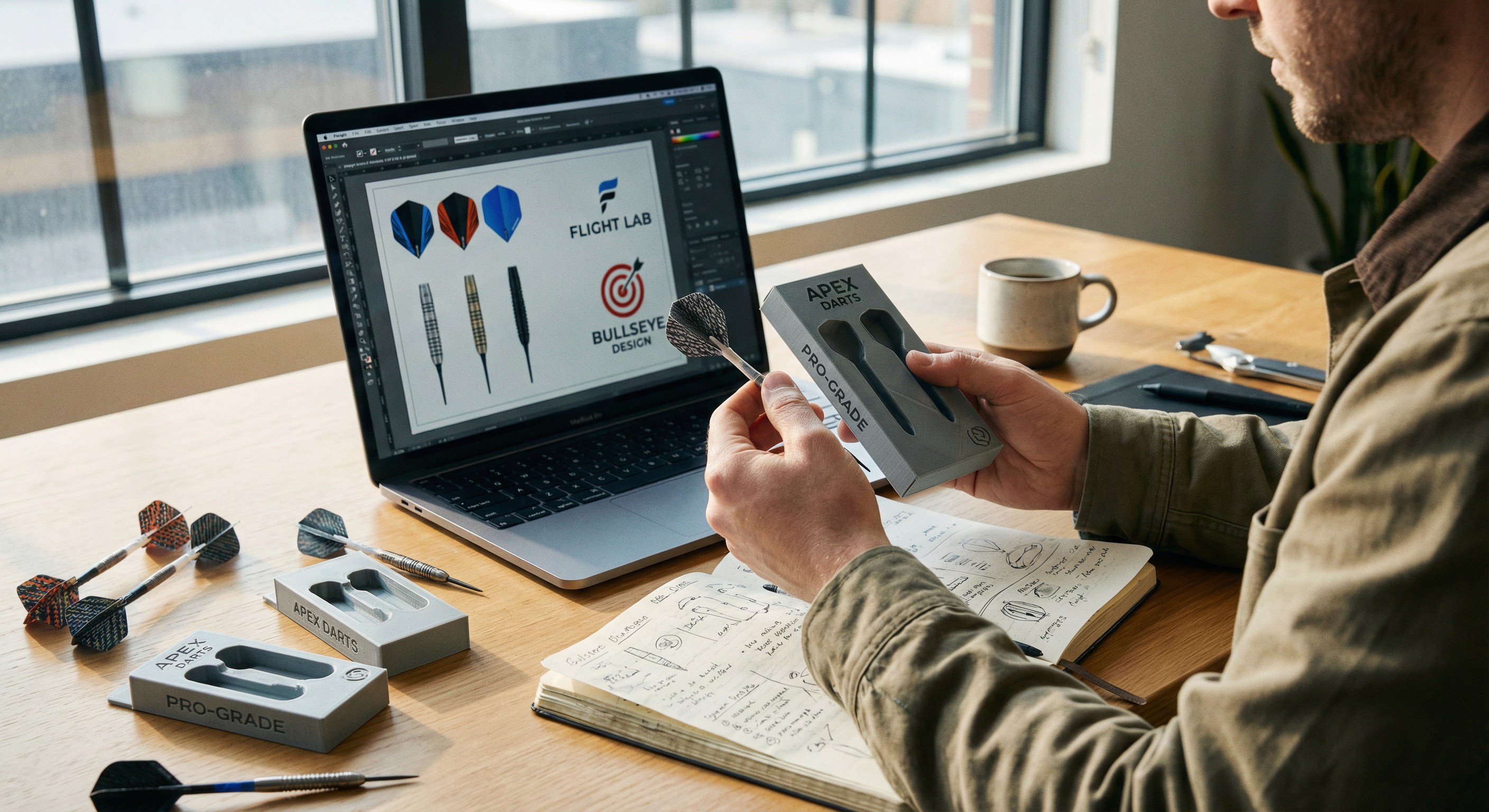
Step 1: Define a Clear Market Position (Not Just “Sell Darts”)
The most common mistake is trying to sell to “everyone.”
Instead, define:
🎯 Target customer segment
- Beginners (price-sensitive, bundle-focused)
- Casual players (value + durability)
- Competitive players (performance-focused)
🌍 Sales channel strategy
- Amazon (review-driven, packaging matters)
- Wholesale (price + consistency)
- DTC website (branding + storytelling)
💰 Price positioning
- Budget ($10–$20)
- Mid-range ($20–$50)
- Premium ($50+)
👉 Your positioning determines:
- Tungsten percentage
- Packaging level
- Product complexity
Step 2: Choose ODM vs OEM (Strategic Entry Decision)
This is your first major business decision.
ODM (Recommended for beginners)
- Faster launch (2–4 weeks)
- Lower MOQ
- Lower upfront cost
But:
- Limited differentiation
- Higher competition
OEM (Recommended for scaling)
- Unique product design
- Better brand positioning
- Higher long-term margin
But:
- Development time: 3–6 weeks
- Higher sampling cost
🔑 Recommended strategy:
Start with ODM → validate demand → transition to OEM
Step 3: Build a Focused Product Line (Avoid SKU Explosion)
New brands often fail by launching too many products.
Ideal first product structure:
- 1 core design
- 2–3 weight options (22g / 24g / 26g)
- 1–2 grip variations
Why this works:
- Simplifies inventory
- Improves production consistency
- Makes marketing clearer
Bundle strategy (highly recommended):
Include:
- Extra shafts
- Flights
- Storage case
👉 Bundles increase perceived value and conversion rate.
Step 4: Understand Cost Structure (Critical for Profitability)
Many new brands underestimate true costs.
Typical cost components:
- Product cost (darts)
- Packaging cost
- Shipping (air/sea)
- Import duties
- Platform fees (Amazon, etc.)
- Marketing cost
Example breakdown (illustrative):
- Product: $6
- Packaging: $1.5
- Shipping: $2
- Platform fees: $6–10
👉 Selling price must support margin after all costs.
Step 5: Select the Right OEM Manufacturer (Make-or-Break Factor)
Your manufacturer determines:
- Product consistency
- Return rate
- Customer satisfaction
What to look for:
1. In-house production
- CNC machining
- Assembly
- QC system
2. Proven QC system
- Weight tolerance control
- Batch consistency
- QC reports
3. Reorder capability
Ask:
- Can you reproduce identical batches?
- Do you store production data?
🚨 Red flags:
- Unclear QC process
- Too-good-to-be-true pricing
- Inconsistent communication
Step 6: Product Development & Sampling (Where Most Mistakes Happen)
Sampling is not just about “looks good.”
You must test:
- Weight consistency across sets
- Grip comfort after extended use
- Coating durability
- Packaging protection
Pro tip:
Request:
- Multiple samples from same batch
- Samples from different batches
👉 This reveals consistency—not just quality.
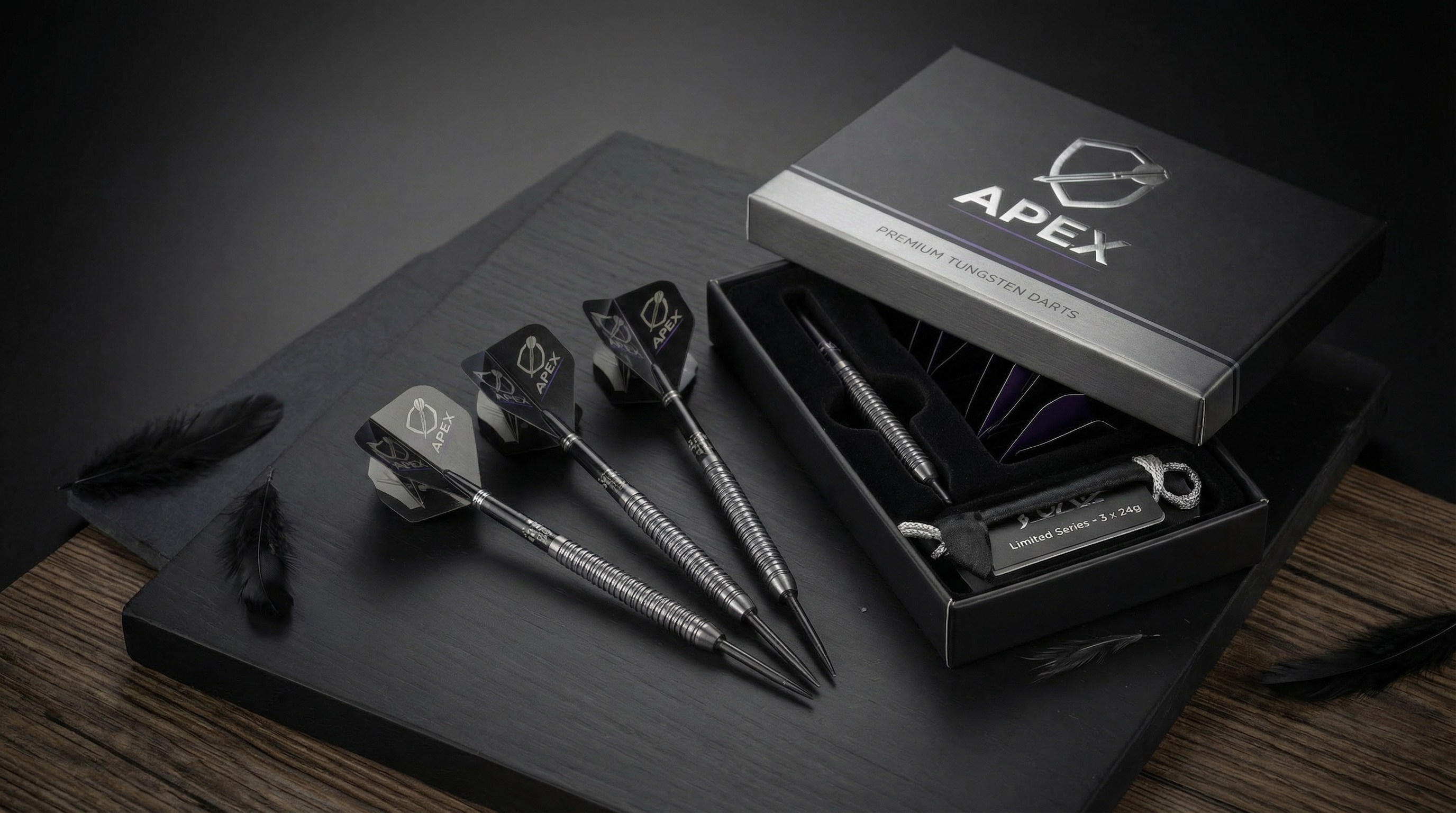
Step 7: Branding & Packaging (Conversion Multiplier)
In competitive markets like Amazon:
👉 Packaging = perceived value
Key elements:
- Clean logo design
- Premium box structure
- Clear product positioning
- Instruction/manual
Advanced strategy:
- Add QR code (guide / video)
- Include brand story
- Focus on unboxing experience
-
Step 8: First Production Order (Risk Control Phase)
Do NOT go all-in on first order.
Recommended approach:
- Start with smaller MOQ
- Request QC report
- Consider third-party inspection
What to monitor:
- Defect rate
- Packaging condition
- Delivery timeline
Step 9: Launch Strategy (Especially for Amazon Sellers)
Your launch determines early success.
Key actions:
- Optimize product listing
- Use high-quality images
- Gather early reviews
- Offer competitive pricing initially
Early data to track:
- Conversion rate
- Return rate
- Customer feedback
Step 10: Scale and Transition to OEM Differentiation
Once product is validated:
👉 Move from “selling products” → “building brand”
Scaling strategies:
- Develop exclusive designs (OEM)
- Improve packaging
- Expand product line
- Strengthen supplier relationship
Common Mistakes New Dart Brands Make
- Launching too many SKUs
Choosing suppliers based only on price
- Ignoring QC systems
- Over-investing in first order
- Weak branding
Conclusion
Starting a dart brand is not just about sourcing products.
It requires building a system that connects:
- Market positioning
- Product development
- Manufacturing control
- Brand identity
Brands that approach this strategically can scale quickly—even in competitive markets.
FAQs
1. How much capital is needed to start a dart brand?
It depends on MOQ and positioning, but starting lean is recommended.
2. Should I start with OEM or ODM?
ODM is safer for testing; OEM is better for long-term growth.
3. What is the biggest risk for new brands?
Inconsistent product quality from unreliable suppliers.
4. How long does it take to launch?
Typically 3–8 weeks including sampling and production.
5. Can small brands succeed in this market?
Yes—if they focus on niche positioning and consistent quality.

