
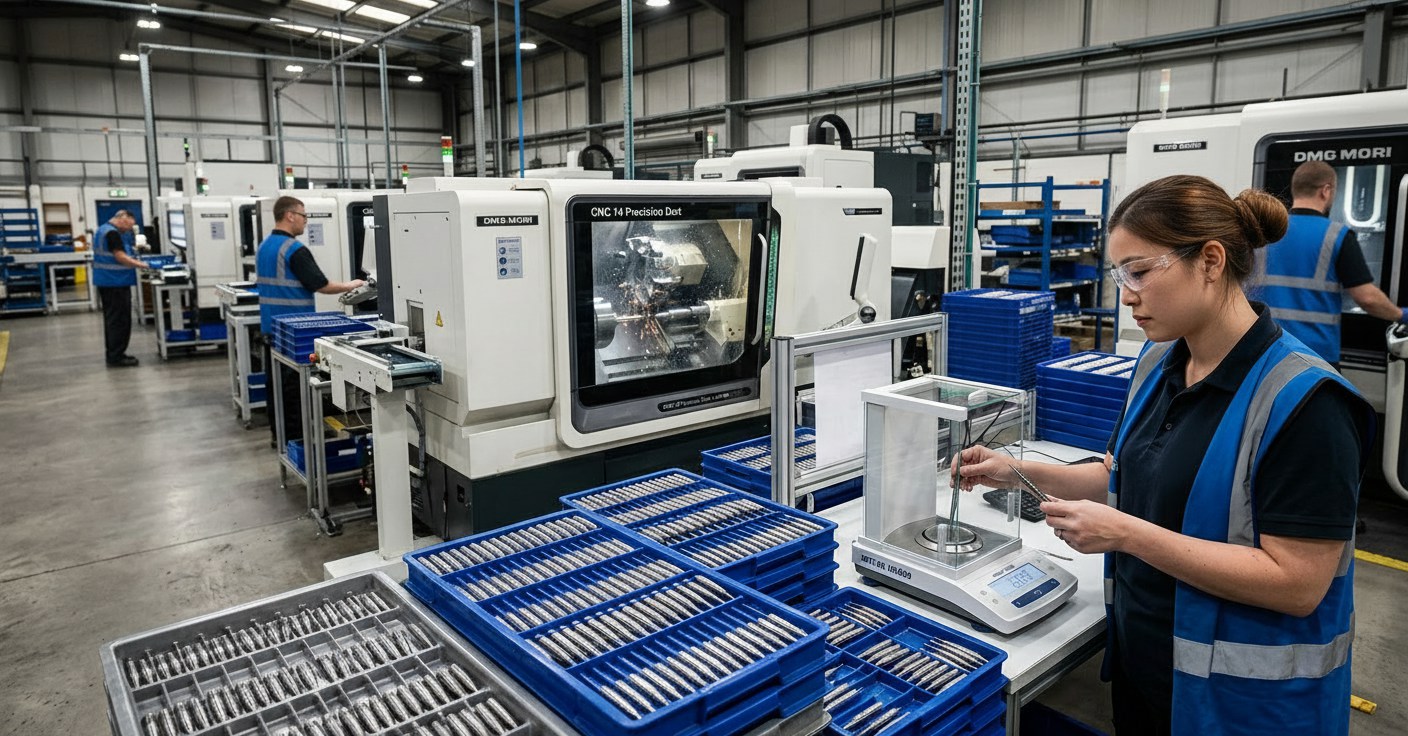
Why Stockouts Happen in the Dart Industry
Stockouts often occur due to weaknesses at different stages of the supply chain. In many cases, the problem is not caused by demand alone but by poor coordination between manufacturing, material supply, and inventory planning.
Common causes include:
Unstable Raw Material Supply
Dart production relies on several specialized materials, such as tungsten alloys, steel points, aluminum shafts, and packaging components. If a factory depends on a limited number of suppliers, disruptions can halt production.
Inaccurate Demand Forecasting
Brands that underestimate seasonal demand—especially around major dart tournaments or holiday retail periods—may run out of stock before new inventory arrives.
Limited Manufacturing Capacity
Factories without scalable production systems may struggle to increase output when large orders arrive suddenly.
Weak Communication Between Buyers and Factories
When brands do not share demand forecasts with suppliers, manufacturers cannot prepare production schedules in advance.
A reliable supply chain anticipates these risks and develops systems to manage them.
Strategic Raw Material Planning
Raw materials form the foundation of the dart supply chain. Professional manufacturers maintain stable material sourcing strategies to avoid production interruptions.
For example, dart factories commonly rely on materials such as:
-
Tungsten alloy for dart barrels
-
Hardened steel for dart points
-
Aluminum or composite materials for shafts
-
Natural sisal fibers for dartboards
-
Foam or polymer materials for dartboard surrounds
Reliable manufacturers typically implement several safeguards:
-
Multiple Supplier Partnerships
Instead of relying on a single vendor, factories maintain relationships with several qualified suppliers. -
Safety Stock of Critical Materials
Maintaining buffer inventory ensures production can continue even if suppliers experience delays. -
Material Quality Verification
Incoming materials are tested to ensure consistency, preventing production stoppages caused by defective inputs.
Through careful material planning, manufacturers reduce the risk of sudden supply disruptions.
Production Capacity and Scheduling
Another critical factor in preventing stockouts is manufacturing capacity management.
Reliable dart factories plan their production schedules well in advance. This includes:
-
Forecasting machine utilization weeks or months ahead
-
Allocating production slots for long-term clients
-
Preparing additional shifts during peak seasons
-
Maintaining backup machines or production lines
Without proper scheduling, even a factory with advanced equipment may struggle to fulfill orders quickly.
Capacity planning becomes especially important during periods of increased demand, such as:
-
Major international dart tournaments
-
Holiday sales seasons
-
Promotional campaigns launched by retailers
Factories with structured scheduling systems can scale production smoothly while maintaining consistent quality.
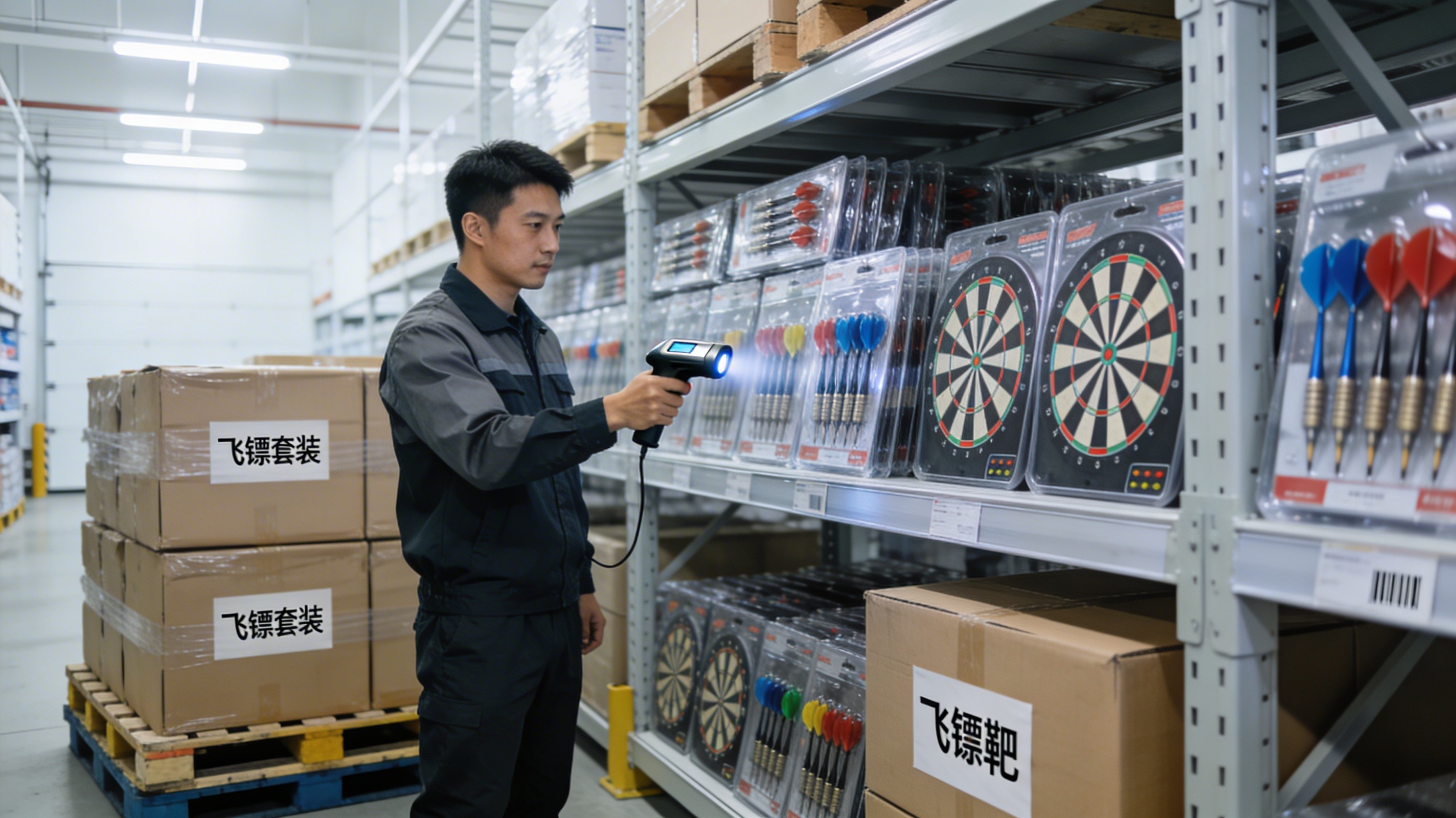
Inventory and Lead Time Management
Lead time plays a major role in preventing stock shortages.
Typical dart production lead times include:
-
30–45 days for standard reorder production
-
45–60 days for custom OEM designs
-
Additional time for shipping and customs clearance
Professional manufacturers help clients manage lead times by:
-
Providing realistic delivery schedules
-
Updating production progress regularly
-
Suggesting reorder points based on past demand
Brands that understand their supply chain timelines can maintain steady inventory levels and avoid unexpected gaps.
Transparent Communication Between Factories and Brands
Reliable supply chains depend heavily on clear communication between manufacturers and buyers.
Experienced dart suppliers often support their clients by sharing information such as:
-
Material availability updates
-
Production scheduling forecasts
-
Shipping timelines
-
Capacity limits during busy seasons
When brands communicate their expected sales volumes and promotional plans in advance, factories can prepare accordingly.
This collaboration reduces the likelihood of sudden stock shortages.
Technology and Data in Modern Supply Chains
Modern dart manufacturers increasingly use digital tools to manage supply chains more efficiently.
Examples include:
-
Production planning software
-
Inventory tracking systems
-
Data analysis for demand forecasting
These technologies allow factories to identify potential bottlenecks earlier and respond more quickly to changes in demand.
Data-driven supply chains are becoming increasingly important as global distribution networks grow more complex.
Long-Term Supplier Partnerships
Brands that build long-term partnerships with reliable manufacturers often experience fewer supply disruptions.
Long-term cooperation allows suppliers to:
-
Understand a brand’s sales patterns
-
Prepare production capacity in advance
-
Maintain dedicated tooling or machining programs for specific SKUs
As a result, repeat orders can often be produced faster and with fewer complications.
Conclusion
Stockouts are rarely caused by a single issue. They usually result from weaknesses across the supply chain—ranging from raw material sourcing to production planning and communication.
Reliable dart manufacturers protect brands by building stable, well-planned supply systems that ensure consistent product availability.
For brands and distributors, choosing a supplier with strong supply chain management capabilities can be just as important as choosing one with high product quality.
FAQs
1. What is the most common cause of stockouts in the dart industry?
Poor production planning and unstable raw material supply are the most common causes.
2. How early should brands place reorder production orders?
Most manufacturers recommend placing orders 45–90 days before inventory runs low.
3. Do professional dart factories keep raw material inventory?
Yes, reliable factories maintain safety stock for critical materials to prevent production delays.
4. Can manufacturers increase production quickly during high demand?
Only factories with strong capacity planning and flexible scheduling can scale output effectively.
5. Why is communication important in supply chain management?
Clear communication allows both factories and buyers to plan production and inventory more accurately, reducing the risk of stockouts.

