
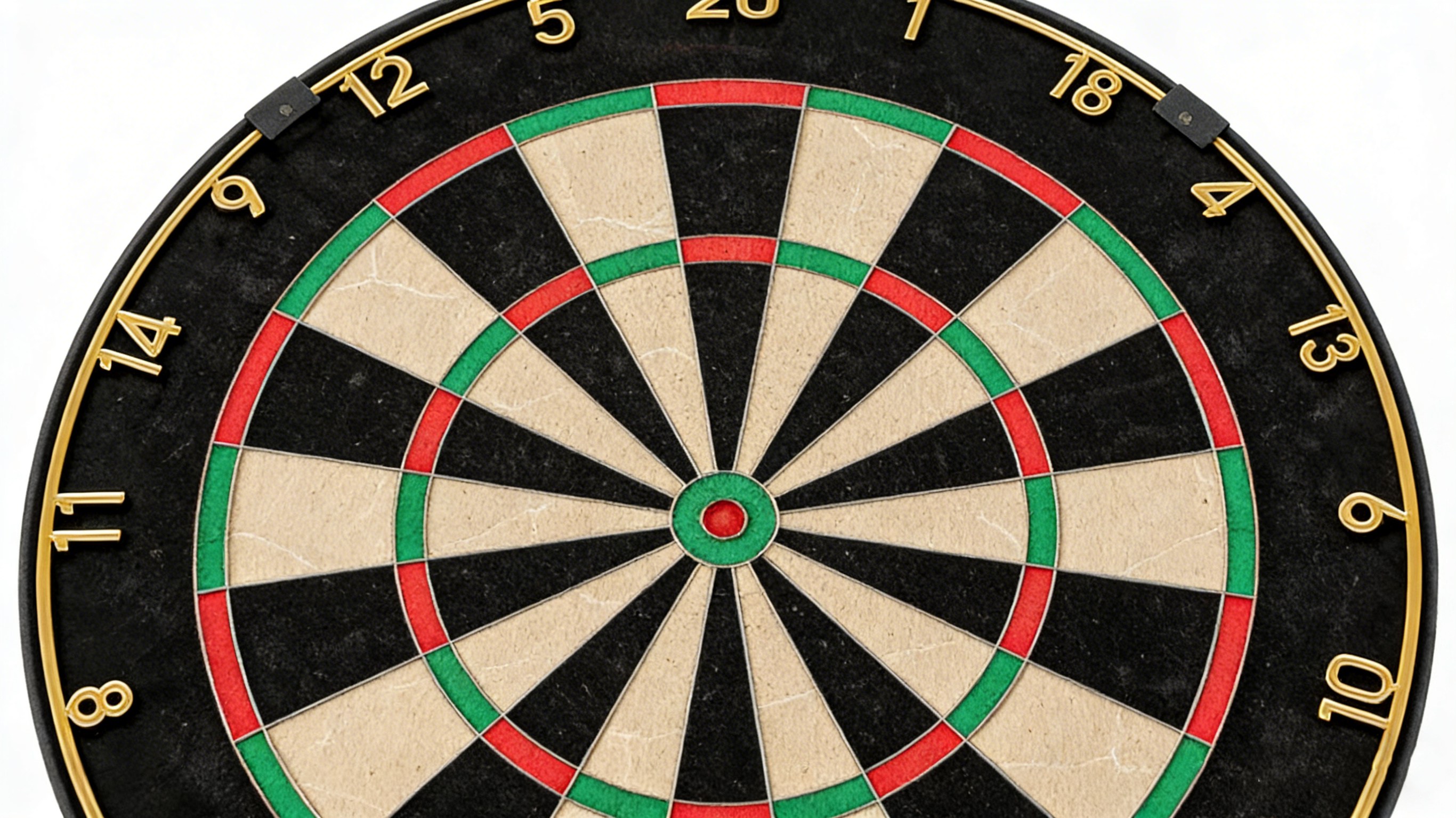
Sisal Dartboards: The Industry Standard
What Is Sisal?
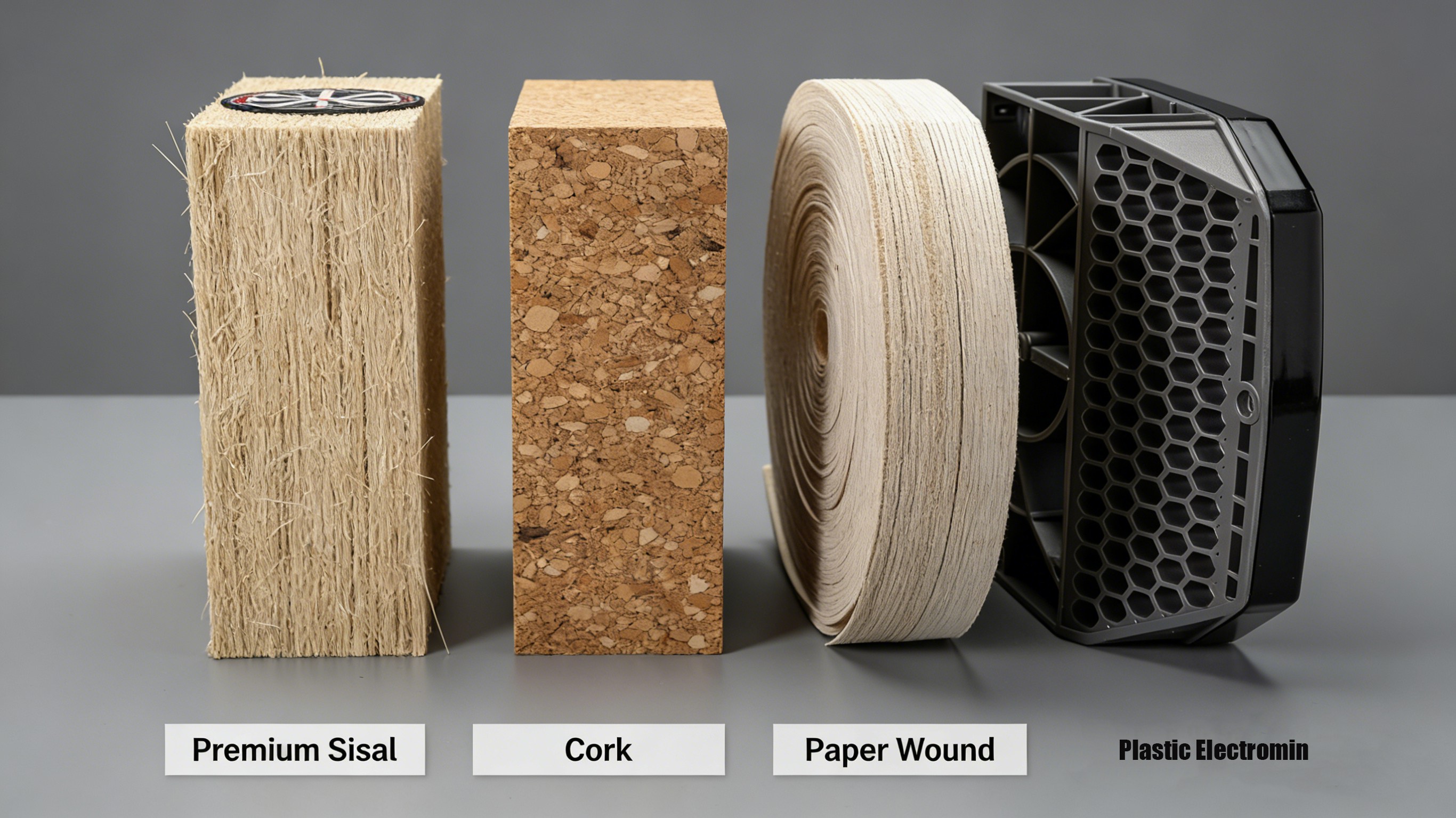
Sisal is a natural fiber derived from the agave plant. In high-quality dartboard manufacturing, these fibers are:
- Compressed under high pressure
- Aligned vertically
- Precisely cut and formed
Premium boards typically rely on physical compression rather than glue to maintain structural integrity.
Core Advantages of Sisal
1. Self-Healing Capability
When a dart is removed, the fibers naturally close back together. This reduces visible holes and significantly extends the board’s lifespan.
2. High Durability
High-density sisal boards can withstand continuous, high-frequency use, making them ideal for:
- Clubs
- Tournament environments
- Heavy-use scenarios
3. Consistent Performance
The uniform fiber structure ensures:
- Smooth dart penetration
- Secure holding strength
- Reduced bounce-outs
Why Sisal Quality Varies
Not all sisal dartboards offer the same quality. Key differences come from the manufacturing process:
- Fiber density (affects durability)
- Compression techniques (affect structural stability)
- Moisture control (affects lifespan and resilience)
- Segmentation precision
Low-end boards often suffer from:
- Loose fiber structure
- Uneven hardness
- Early wear and visible damage
Cork Dartboards: Entry-Level Material
Material Structure
Cork dartboards are typically made from compressed cork particles combined with binding agents, resulting in a relatively loose structure.
Advantages
- Low production cost
- Simple manufacturing process
- Suitable for entry-level markets
Limitations
- No self-healing capability
- Holes remain permanently visible
- Short lifespan
- Higher bounce-out rates
Suitable Market Position
Cork dartboards are best suited for:
- Beginners
- Low-price retail markets
- Occasional or short-term use
They are not ideal for premium branding or professional use.
Paper-Wound Dartboards: Lowest Tier Option
Structure Overview
Paper-wound dartboards are made by tightly rolling layers of paper and compressing them into a circular shape.
Key Weaknesses
- Extremely low durability
- Rapid surface damage
- Poor dart retention
Market Role
These products are typically used for:
- Promotional giveaways
- Temporary or disposable use
They have very limited long-term commercial value.
Plastic (Electronic) Dartboards
Structural Features
Plastic dartboards are molded with pre-formed holes and are designed for use with soft-tip darts only.
Advantages
- Electronic scoring capability
- Interactive gameplay
- Entertainment-focused experience
Limitations
- Not compatible with steel-tip darts
- Lower durability under heavy use
- Risk of electronic component failure
Target Market
Plastic dartboards are commonly used in:
- Bars and entertainment venues
- Home recreational settings
- Arcade-style environments
-
How to Choose the Right Material (Buyer Strategy)
For B2B buyers, material selection should be based on market positioning rather than cost alone.
Choose Sisal If You Want:
- To build a premium or professional brand
- To provide consistent user experience
- To reduce return rates and negative feedback
Choose Cork or Paper If You Want:
- To enter the low-price market quickly
- To focus on high-volume, low-margin sales
- To target price-sensitive customers
Choose Plastic If You Target:
- Entertainment-focused markets
- Electronic and interactive products
Hidden Factors That Affect Performance
Beyond material type, several often-overlooked factors influence performance:
- Manufacturing consistency (batch stability)
- Storage conditions (humidity and temperature)
- Packaging and transportation protection
For example, even a high-quality sisal dartboard can degrade if stored in a high-humidity environment.
Conclusion
Dartboard material is not only a technical choice—it is a strategic business decision.
In summary:
- Sisal dominates the professional and premium market
- Cork and paper serve entry-level demand
- Plastic supports entertainment and electronic applications
For businesses aiming to build long-term brand value, high-quality sisal dartboards remain the most competitive choice.
FAQs
1. Why are sisal dartboards used in professional tournaments?
Because they offer durability, self-healing properties, and consistent performance.
2. Why do sisal dartboards vary in price?
Differences in fiber density, compression methods, and manufacturing quality.
3. Why do cheaper dartboards wear out quickly?
Due to weak material structure and lack of recovery capability.
4. Does material affect bounce-out rates?
Yes, lower-density materials significantly increase bounce-outs.
5. How can I extend the lifespan of a dartboard?
Store it in a dry environment, rotate the board regularly, and avoid concentrated wear.

