
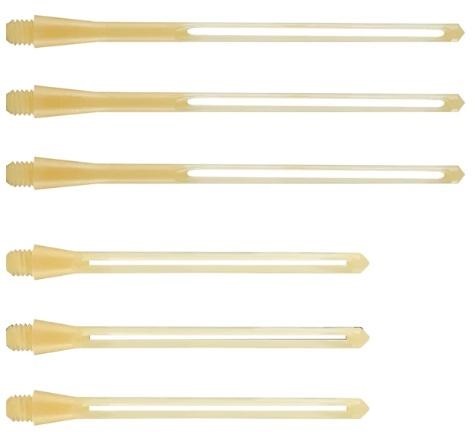
A Zhihu user inquired about the Chinese translation and practicality of ‘Side Loading’. To avoid mispronunciation, it is commonly referred to in Chinese as ‘side-loading dart shafts’. Unicorn’s early “Slikstik” nylon side-loading shafts were renowned for their durability (even hailed as ‘never-wearing’, with legends claiming they couldn’t be broken by two people pulling in opposite directions). However, later iterations of similar products often sacrificed quality for aesthetics.
Unicorn’s Strategic Shift
In early February 2022, Unicorn concluded its 25-year partnership with the Professional Darts Corporation (PDC). Following the official announcement of the termination, Unicorn unveiled a new community promotion initiative on Twitter. This strategic withdrawal from professional circuits not only carried away the nostalgia of a generation of players but also signalled the end of an era for side-loading shafts.
What Are Side-Loading Dart Shafts?
In 1977, Unicorn secured the patent for its ‘Slikstik’ side-loading shaft and launched the first metal shaft with replaceable tips. Its product line subsequently evolved into specialised series, including standard aluminium shafts.

Primary Product Series:
Standard Series: Slikstik Aluminium (basic aluminium side-mount shafts).
Mid-to-High-End Series: ‘Phase’ series titanium alloy shafts, alongside the Sigma-specific titanium alloy shafts for the Unicorn Sigma Pro 970.
Signature/Star Series: Featuring distinctive colour schemes and player signatures. A prime example is the Unicorn Phil Taylor Phase 5 Rosso (Taylor’s fifth-generation rose gold signature model).
This dart holds significant collector’s value. Taylor used it to win his final World Championship title (2013). Following his switch to Target, this signature model ceased production, making it exceedingly rare.
Are side-mount shafts truly that superior?
Early nylon products proved exceptionally durable, defying the commercial logic of being consumables and instead becoming durable goods.
Yet they were far from flawless. Common issues included: ‘tail-chasing’ (where the rear dart’s tail knocked off the front dart’s tail), damage or breakage at the joint, and darts colliding during rapid triple-dart throws. Players often required a spare lighter to heat and extract broken shaft fragments (causing the joint to bluing), a process sometimes producing sparks.
The Minimalist Ethos of Side-Loading Shafts
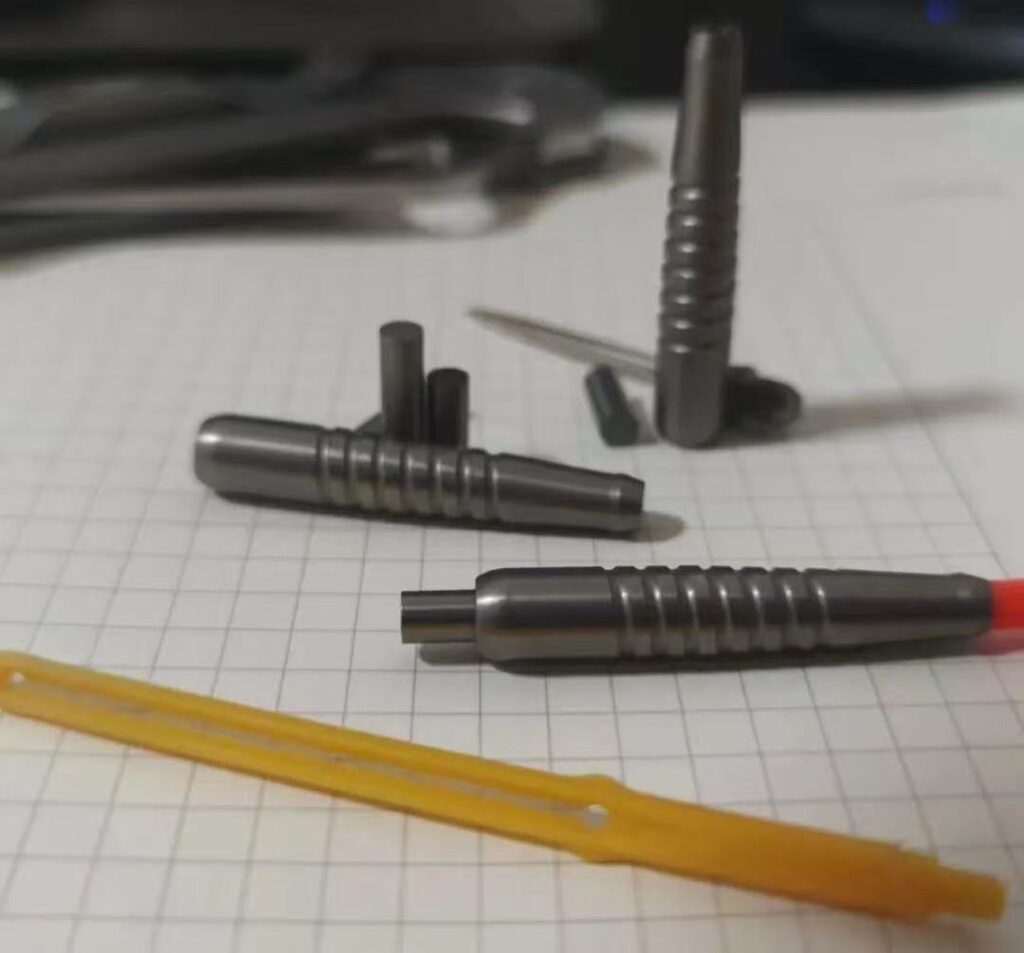
The essence of side-loading shafts lies in integrating the shaft body, dart tail, and (anti-tail-strike) dart cap into a single unit, embodying minimalism in both function and design. Though Unicorn’s strategic shift brought an end to the golden age of side-loading shafts, the minimalist design philosophy they embodied endures.

