
The importance of equipment has been recognized since ancient times. Over 2,500 years ago, The Analects of Confucius stated: “A craftsman must sharpen his tools if he is to do his work well,” emphasizing the value of professional equipment. Professional dart equipment varies in complexity; basic personal gear includes darts and dart holders (for shielding sharp tips and easy carrying), while slightly more professional items cover sweat towels, needle cases, flight protectors, card holders, and dart cases.
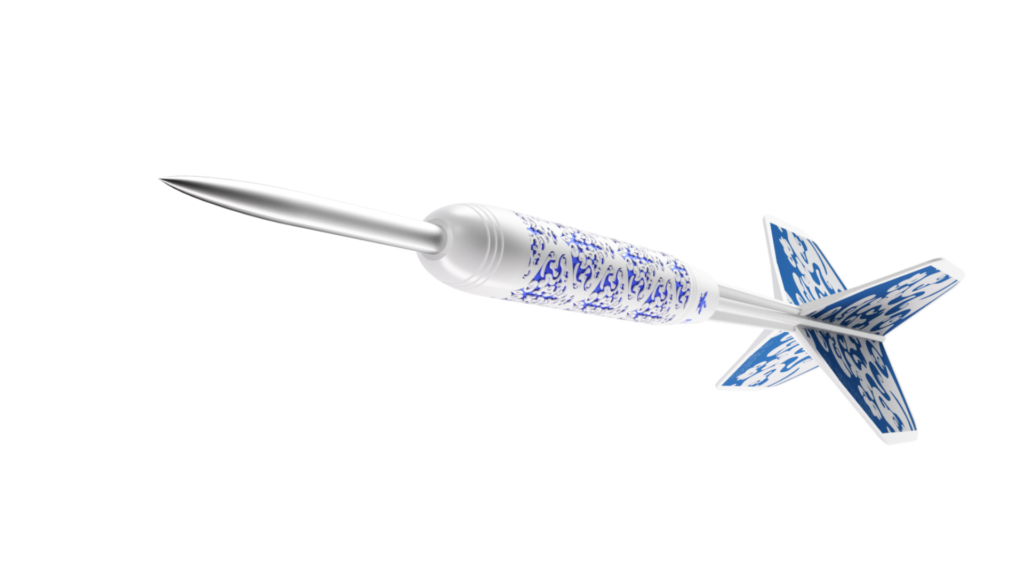
1.Basic Equipment: Darts
Darts should be personal and exclusive. The basic configuration is “darts + case” rather than “darts + dart holder,” as dart throwing may involve collisions and impacts that require carrying small accessories like shafts, flights, and O-rings. A dart case enables convenient storage; for soft-tip darts, a needle case and flight protector are additional necessities.
– Material Selection: Tungsten alloy is a must-buy; avoid copper-zinc alloy darts (common e-commerce freebies). Copper-zinc alloy darts have low density (8.5g/cm³), light body, heavy shaft, easily deformed flights, and unstable trajectories. Professional tungsten alloy darts have high density (13g/cm³), with entry-level models around 280 yuan.
– Shape Selection: Beginners should choose straight-barrel darts. Their grip techniques are not yet fixed, and straight-barrel darts are easier to handle. Avoid darts with unusual weight distribution to avoid affecting subsequent practice.
– Purchasing Considerations: Confirm the product is labeled “tungsten alloy” (these won’t be overly cheap); don’t judge solely by price or color—some aluminum/copper-zinc darts mimic professional styles but lack quality.
2.Basic Equipment: Case
– Dart cases vary by material and function, but their sole purpose is storage. Beginners prefer neat, bright equipment, while experienced players tend to simplify—even PDC world champions only use one box for a few sets of preferred darts. This reflects the sport’s learning process: from simple to complex, then back to simple.
– Recommendation: E MYTH dart case (sufficient for beginners).

3.Attire
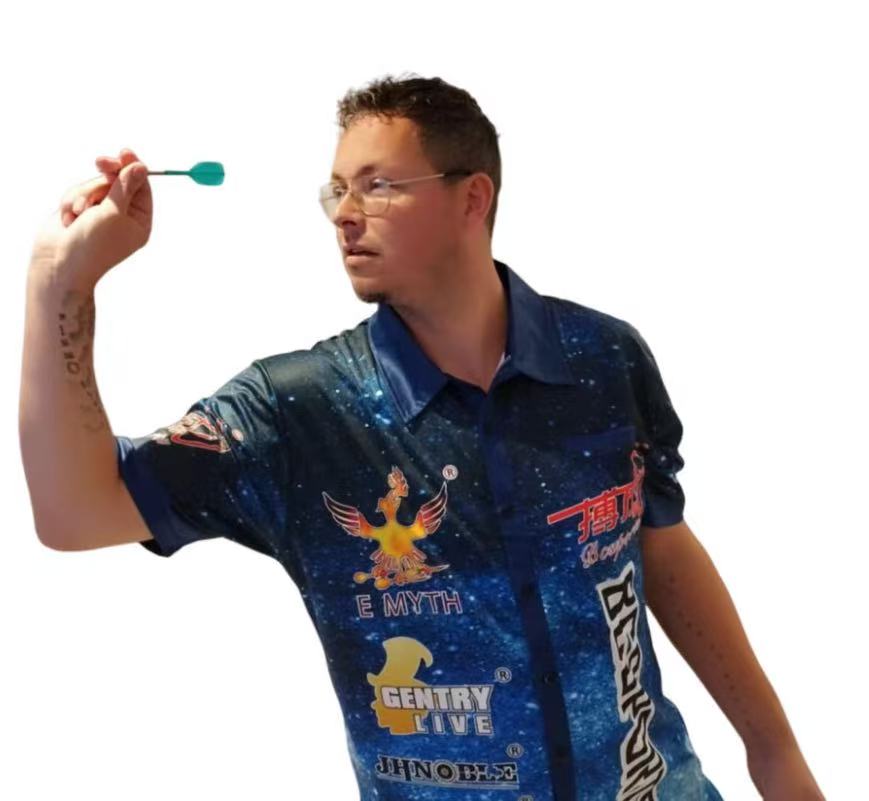
– Competition attire is a key part of dart culture, blending the casualness of football/basketball (vests and shorts) and the formality of snooker.
– Formal Competition Requirements: Per the Chinese Darts Competition Rules and Refereeing Methods, athletes must dress appropriately—collared shirt on the upper body and long pants on the lower body during competitions.
– Beginner Suggestions: A casual polo shirt is sufficient when custom competition attire isn’t needed; no strict requirements apply.
4. Beginner Aids
Beginners can equip themselves with anti-slip aids: anti-slip towels ( such as handkerchiefs, square towels, rectangular towels) and hand wax.

