

Many darts players face the same problem: when their performance declines during practice, they immediately doubt their technique or equipment. They repeatedly adjust their technique—but the results are counterproductive. “I’ve been adjusting my technique lately” is a common phrase among players, but can so-called “standard” techniques really guarantee accuracy?
Inaccurate throws ultimately stem from three key factors: 1) consistency of technique; 2) throwing power; 3) mental and physical state. It’s worth noting that an unstable mental and physical state will ultimately affect the first two factors.
Let’s start with the mental and physical state. You can adjust your physical state independently, but mental resilience takes time to cultivate. Most players struggle to replicate their training performance in matches: in practice, they relax and focus on aiming and technique details; in matches, tension and the desire to win cause them to neglect these details. The strong performance of their opponents further disrupts their mindset. Therefore, cultivate mental resilience by participating in more matches—strive to replicate your training state: relax, eliminate distractions, and focus on your technique, power, and throwing feel.
In fact, all problems stem from two core elements: consistency of technique and throwing power—which are crucial in darts.

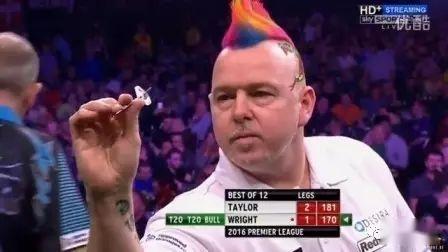
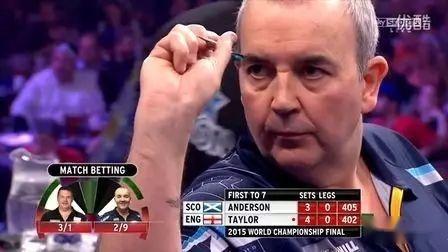
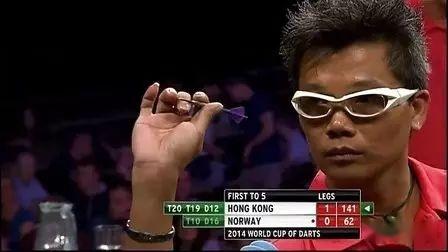

First, consistency of technique. From amateur players to professionals, their techniques follow some common principles, but everyone’s technique is different—no two players have exactly the same technique. Any technique that feels comfortable to you is fine; the key is to maintain consistency every time. If your technique remains consistent (excluding power or other interfering factors), your darts will likely land in the same place. Don’t overthink “standard” techniques or imitate professional players—focus on maintaining the consistency of your own technique.
Secondly, throwing power. Many players focus too much on technique and neglect power, yet stable power is crucial for maintaining consistency in technique. Without stable power, even a “perfect” technique will fail. Inaccurate throws are usually due to unstable power, not poor technique. Good power naturally comes from the inherent strength of your muscle groups.
Therefore, practice should combine power and technique—technique is for better utilization of power. Follow these steps: First, relax stiff muscles. Don’t worry about the “correct” posture; the key to practice is feeling the power during the throw. Once you find this “feeling of power,” you can begin practicing aiming and combining power with accurate throwing. If your throw is off target or feels unnatural, go back to the “feeling the power” stage. The core of the practice is not about “correcting your posture,” but about finding that feeling of power at the moment of the throw.

