

We open with a quick scene: we walked into a dim practice hall where focus hung in the air like a drumbeat. A veteran set up his routine and we watched the ritual that shapes champions. That quiet discipline links the past to the present.
We explain why history matters. In 1993 a high-profile split reshaped the sport and the road to the top. When the British Darts Organisation folded in 2020, the professional world changed again. Understanding those turns helps any aspiring darts player map a modern path.
We study icons to learn habits. Eric Bristow dominated the world rankings in his era and his methods still teach winners. Modern players must juggle rankings, travel, and training to reach the world stage.
Key Takeaways
- History shaped today’s competition structure and athlete pathways.
- The 1993 split and 2020 changes forced new professional systems.
- Eric Bristow is a model for technique and mindset.
- Training now combines skill work, ranking strategy, and travel planning.
- We focus on practical steps to prepare you for elite contests.
Essential Training Habits of a Professional Darts Player
Every champion builds their edge through steady, repeatable routines. We map the daily habits that turn good form into elite consistency.
Developing Consistent Throwing Mechanics
Consistency starts with repetition. We focus on the same stance, grip, and release until motion becomes automatic.
“Repetition breeds precision.”
- Repeat a single motion thousands of times — that was the hallmark of eric bristow‘s work ethic.
- Use short, focused sets so each attempt stays deliberate and measurable.
- Record metrics: grouping, release timing, and scoring trends to spot drift early.
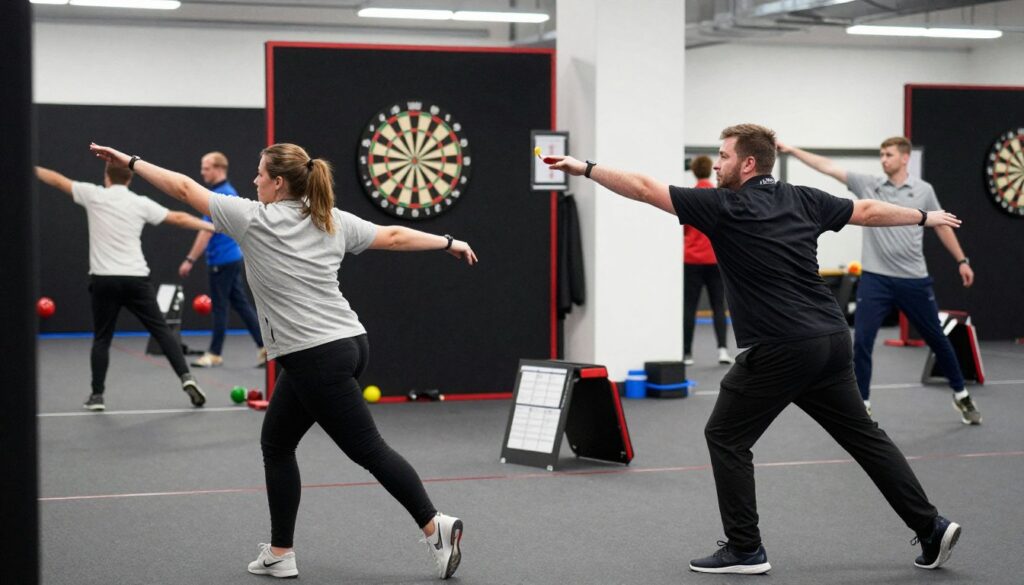
The Importance of Regular Practice Routines
We build weekly plans that mirror tournament pressure. The PDC Order of Merit runs on a two-year prize cycle, so sustained form matters.
Top-ranked names prove the model: john lowe reached WDF number one four times, and modern leaders like Luke Littler lean on data-driven drills to keep their world standing.
Practice is not optional — it is the compass for competitive growth. Stick to focused reps, track outcomes, and adjust with purpose.
Mastering the Mental Game and Focus
Pressure is a condition we practice for, not a surprise we wait to handle. Mental routines give structure when lights, cameras and crowds demand composure.
Building Resilience Under Pressure
We train focus in stages. Start with simulated noise, then add scoring targets and timed legs.
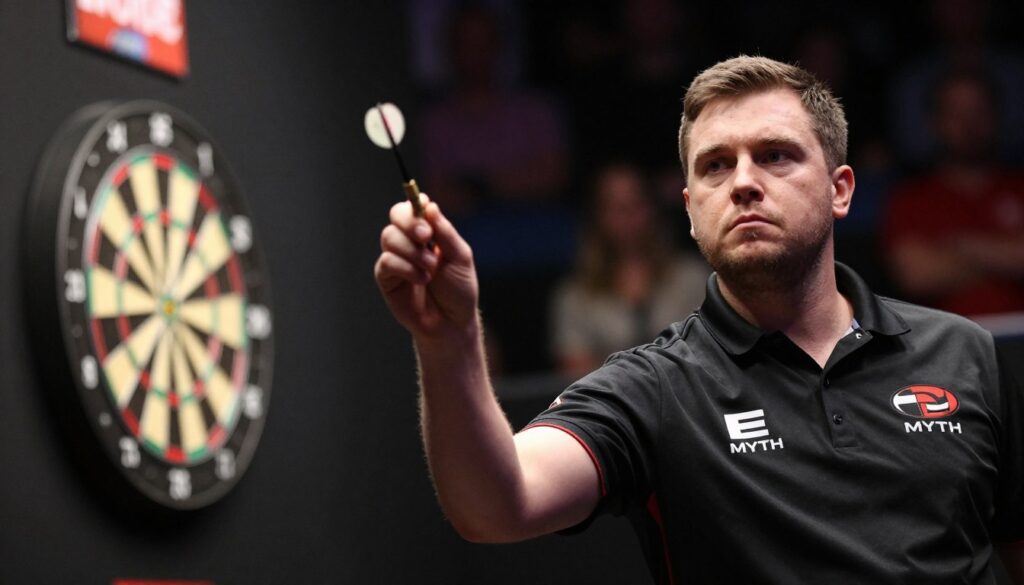
Real examples show the path. Stowe Buntz broke through in 2023 and reached the PDC World Championship after sharpening his concentration. Mindaugas Barauskas keeps form while balancing work off the oche, proving steady routines scale to big moments.
“Resilience means recovering fast and making the next throw count.”
Key habits:
- Simulate crowd noise and TV timing in practice.
- Use short, focused resets between legs to avoid carryover errors.
- Practice scoring under time pressure to protect your three-dart average.
| Focus Drill | Goal | Duration |
|---|---|---|
| Noise simulation | Maintain routine despite distractions | 20 mins |
| Timed legs | Improve decision speed | 30 mins |
| Recovery drills | Reset after a poor leg | 15 mins |
Building a Competitive Career Path
A clear career plan turns flashes of potential into steady progress on the international stage.
Start with consistent exposure. Competing on development tours and entering qualifying events builds experience and confidence. This is how many successful players earn the ranking points that open doors.
Young duos like Craig Galliano and Justin Hewitt proved early international success matters when they became the youngest pair to win at the PDC World Cup of Darts.
“Dominating regional circuits can be the fastest route to global opportunities.”
- Compete often: regional events and youth tournaments create a performance base.
- Dominate locally: Gavin Nicoll’s 14 wins across North America in 2023 show the value of regional strength.
- Seek coaching: mentorship shortens the learning curve and sharpens strategy for qualifiers.
- Be ready to travel: ranking points and exposure come from varied international stops.
We believe the path to the world stage is built one event at a time. Stick to the plan, lean on experts, and treat each match as a step toward long-term success.
Conclusion
To finish, a winning career depends on daily craft, calm under stress, and smart planning. , we stress a balanced approach that ties mechanics, mindset, and schedule into one plan.
Legends like eric bristow and john lowe modeled the habits that still guide modern practice. For aspiring darts players, their routines show how discipline shapes opportunity.
Success in the modern world requires adapting to ranking shifts and performing when it counts. Stay disciplined, seek feedback, and join global events to grow your edge.
We believe steady work and smart choices let committed competitors build lasting careers in darts. Keep pushing the limits — we’ll be with you every step of the way.

