

A dartboard, even with soft-tipped darts, exerts considerable force upon impact. Without adequate backing, your wall will quickly become a patchwork of holes and damage. The type of dartboard itself – bristle, sisal, or electronic – also influences the necessary level of protection. Bristle dartboards, for instance, tend to require more robust backing than their electronic counterparts. We emphasize the importance of selecting a backing solution that’s both effective and aesthetically pleasing, maintaining a professional appearance in your dart area.
Materials for Optimal Dartboard Backings
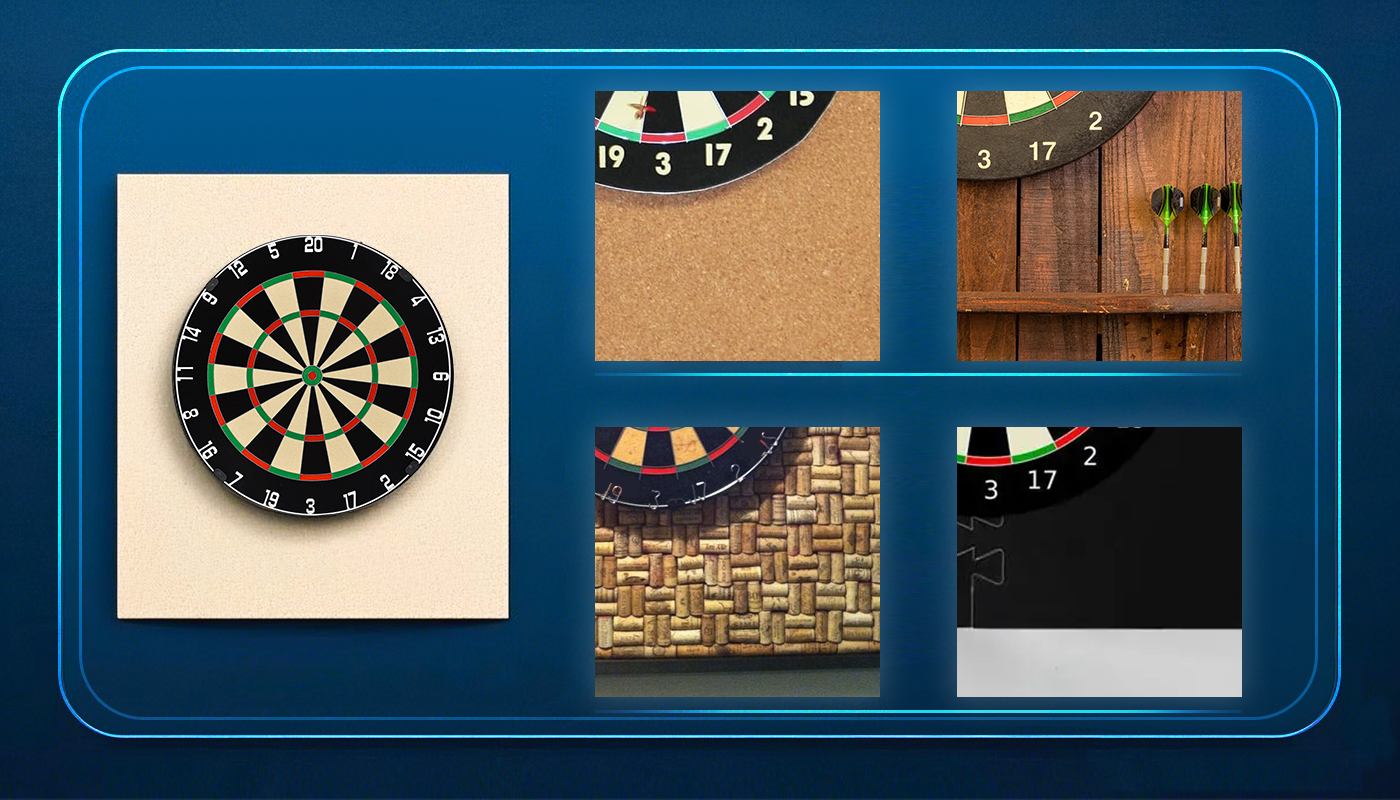
Several materials excel as dartboard backings. We routinely recommend the following, based on years of experience:
Compressed Fiberboard:This offers a good balance of protection and affordability. Its dense nature helps absorb dart impacts, preventing damage to the wall. It is also relatively easy to cut and install to fit almost any dartboard size.
Cork:A classic choice, cork provides excellent impact absorption and sound dampening. Its natural aesthetic can enhance the overall look of your dart area. However, cork can be more expensive than fiberboard.
Plywood:For heavier use and greater impact protection, especially with steel-tipped darts, plywood provides superior durability. Consider thicker plywood sheets for increased protection. Properly secured plywood makes for a very secure and resilient dartboard backing.
Rubber Sheets:Though less common for complete backing, rubber sheets can be used in conjunction with other materials to increase impact absorption, especially for areas where dart tips frequently hit.
Installation Techniques for Secure Dartboard Backings
Proper installation is crucial to maximize the effectiveness of your chosen dartboard backing. We recommend these steps:
1. Measure and Cut:Accurately measure the dimensions of your dartboard, adding a few inches on each side for proper coverage. Cut your chosen backing material to these dimensions.
2. Secure the Backing:Use appropriate fasteners (screws, nails, or adhesive) to firmly secure the backing material to the wall. Ensure the backing is level and flush against the wall.
3. Position the Dartboard:Center your dartboard over the secured backing. Use a level to ensure it is straight. Secure the dartboard to the backing.
Beyond the Basics: Enhancing Your Dartboard Setup
While choosing the right backing is essential, other factors contribute to a professional dart setup. Consistent lighting, a suitable playing distance, and well-maintained dartboards are vital components of a positive experience for all.
結論
Selecting the appropriate dartboard backing is a crucial aspect of setting up a safe and enjoyable dart-throwing environment. By considering the factors we’ve outlined and choosing the right materials and installation techniques, you can protect your walls and ensure a longer lifespan for your dartboard. Remember, a properly backed dartboard provides a professional setup that encourages consistent gameplay.
FAQs
Q: Can I use drywall as a dartboard backing?
We strongly advise against this. Drywall is not designed to withstand repeated dart impacts and will likely sustain significant damage.
Q: What about using a soft material like foam?
While foam provides some cushioning, it may not offer sufficient protection against repeated impacts from steel-tipped darts.
Q: How often should I replace my dartboard backing?
This depends on the frequency of use and the type of backing. Regular inspections can help determine when replacement is needed. Consider replacing the backing when you notice any significant wear or damage.

